When you're sprucing up your home decor, picking the right pieces can really make a difference. For example, Organic Wooden Bowls are a fantastic way to blend style and function. They add warmth and a touch of nature to pretty much any space. But, truth be told, not all wooden bowls are equal. It's super important to know what truly makes an organic craftsmanship piece stand out.
Choosing the right organic wooden bowls isn’t just about looks—it's about paying attention to the little details. You wanna go for bowls made from sustainably sourced wood, no shady, chemically-treated finishes, you know? A lot of authentic bowls will even have those tiny imperfections that actually give them personality. If you’re someone who cares about quality and eco-friendly stuff, you'll notice these details right away, and that shows you're serious about making mindful choices.
And of course, think about your own style. These bowls should really vibe with your home’s overall vibe. Whether you're into rustic charm or a sleek, modern look, there’s definitely a bowl out there that fits. If you check out trusted brands, they usually share info on how they source their wood, which is pretty cool. Hen, engaging with brands like that can help you pick a beautiful organic wooden bowl that not only jazzes up your home but lines up with your values too.
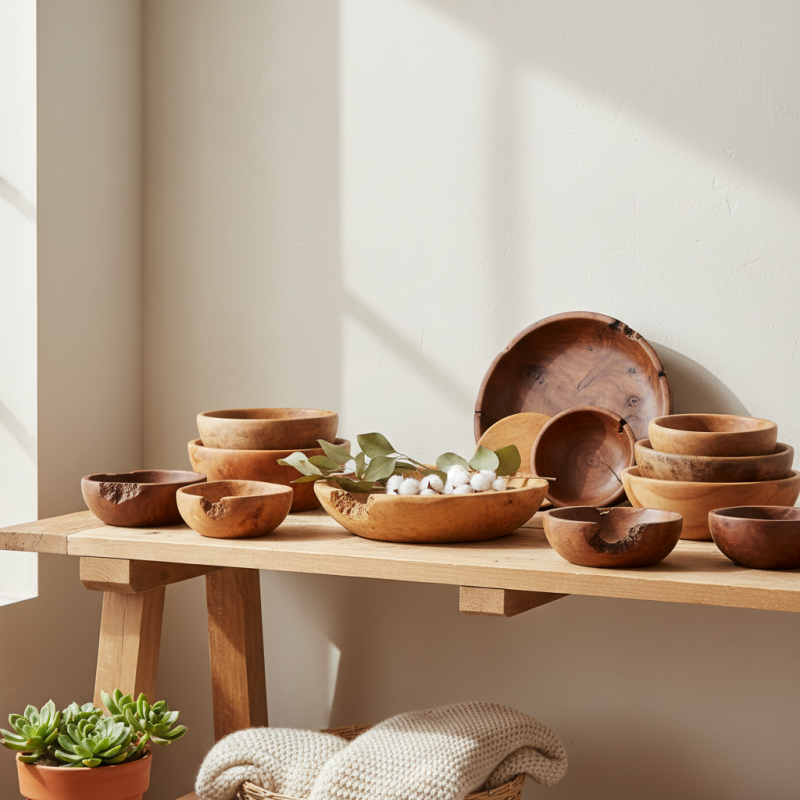
Understanding the Benefits of Organic Wooden Bowls for Home Decor
Organic wooden bowls are a great addition to any home's decor. They offer a unique blend of aesthetics and functionality. Selecting bowls made from sustainably sourced wood ensures you make an environmentally friendly choice. Each bowl carries its own character. The natural grains and textures can enhance your space.
Using organic wooden bowls has several benefits. They are biodegradable and free from harmful chemicals. This makes them safer for food use, whether serving snacks or displaying fruits. The natural materials can improve indoor air quality. Over time, wooden bowls develop a unique patina. They tell a story and add warmth to your home.
Adding an Organic Wood Spatula can complement your kitchen equally. It's a practical tool that blends beautifully with wooden bowls. However, not every wooden utensil is created equal. Some may crack or warp, so careful selection is crucial. Always inspect the finish and craftsmanship before investing. This way, your decor remains beautiful and functional for years.
Identifying Different Types of Wood Used in Organic Bowls
When selecting organic wooden bowls, understanding the types of wood is essential. Each type brings its own character and benefits. Hardwoods, like maple and walnut, are popular for their durability and beauty. They often feature unique grain patterns that enhance the bowl's aesthetic appeal. Softer woods, such as pine, may be lighter in weight but can be more prone to scratches and dents.
Choosing the right wood also involves considering its origin and growth practices. Look for woods sourced from sustainable forests. This ensures the longevity of both the product and the environment. Avoid bowls made from heavily processed woods, as they may contain harmful chemicals. Opt for those labeled as "certified organic" for safety and quality assurance.
Tip: Always inspect the bowl for smoothness. A rough finish can harbor bacteria. It can also lead to splinters. Moreover, each piece is unique, making it worth checking for imperfections that add character. Embrace natural variations in color and grain; they signify authenticity. Consider how the bowl will fit into your overall decor. The right choice can enhance the warmth and style of your home.
Evaluating the Manufacturing Process for Organic Certification
When choosing organic wooden bowls, the manufacturing process is crucial. Certification ensures the wood is sourced sustainably. According to industry reports, about 75% of consumers prefer products made from certified organic materials. This growing demand drives manufacturers to adopt better practices.
Evaluating the production involves checking for transparency. Organic certification requires adherence to strict standards, often set by third-party organizations. Many wooden bowls on the market may appear organic but lack this verification. In fact, a study found that nearly 30% of products marketed as organic did not meet the necessary criteria.
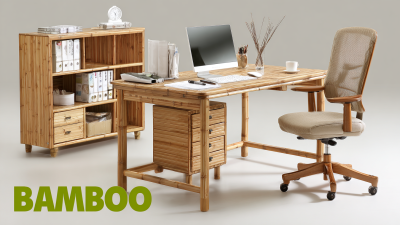
Consider the type of wood used as well. Some species grow faster and are more sustainable. For instance, bamboo is renewable and biodegradable, yet not all bamboo products are treated equally. Scrutinize the finishes as well, as some can contain harmful chemicals. The journey to finding truly organic wooden bowls can be complex, but the benefits for both your home and the environment are worth it.
Organic Wooden Bowls Manufacturing Process Evaluation
Considering Size, Shape, and Design for Your Decor Style
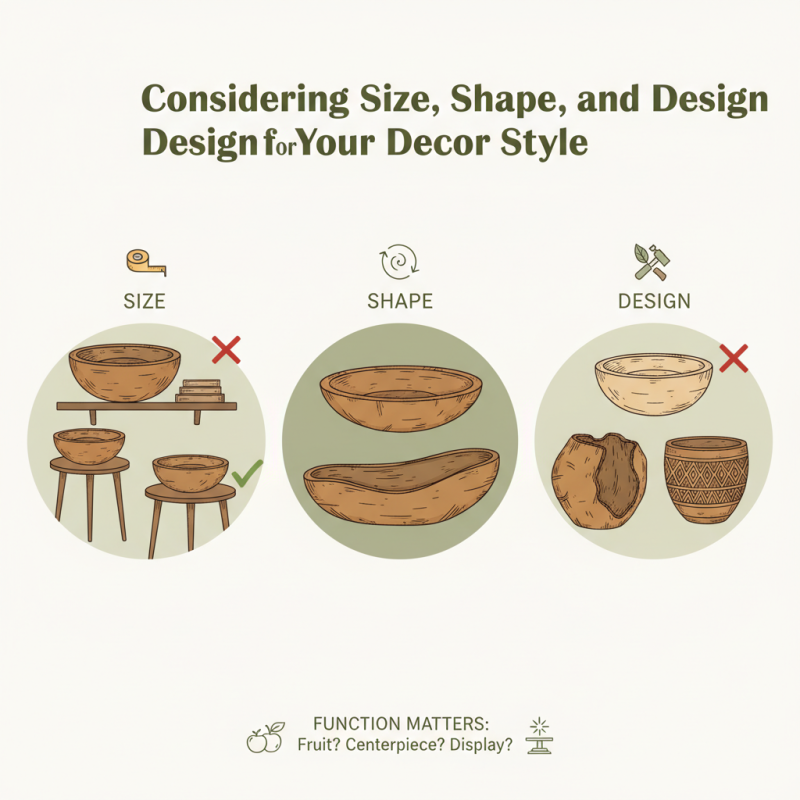
Choosing the right size, shape, and design of organic wooden bowls can enhance your home decor significantly. When selecting a bowl, consider its size in relation to your space. A large bowl may dominate a small table, while a tiny bowl could get lost on a spacious shelf. Think about how you'll use the bowl. Will it hold fruit, serve as a centerpiece, or display decorative items? This functional aspect matters greatly in choosing the right piece.
The shape of the bowl also contributes to your decor style. Round bowls often evoke a cozy, traditional feel. In contrast, angular or oblong shapes can introduce a modern touch. Look for designs that resonate with your aesthetic. Natural wood grain patterns add character and warmth, enriching any room. On the other hand, overly uniform or polished bowls may lack the rustic charm many seek.
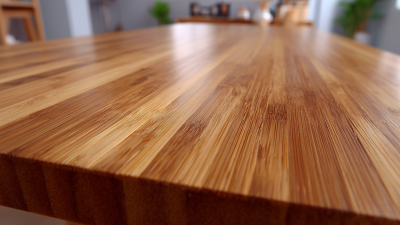
Lastly, reflect on the design details. Bowls made from bamboo, for instance, offer a sustainable appeal. Their light color and smooth finish can brighten a space. Don't overlook imperfections in the wood; they can tell a story. Each mark may suggest a unique journey for the bowl, making it more than just a decorative item.
Checking for Sustainable Sourcing and Eco-Friendly Practices
When choosing organic wooden bowls, sustainability should be a top priority. Look for bowls made from responsibly sourced wood. This means the trees are harvested in a way that protects the environment. It's important to check for certifications. These can verify the eco-friendly practices of the manufacturers. Knowing the origin of the wood gives insights into its sustainability.
Additionally, consider the production process of Bamboo Mixing Bowls. Are they made using methods that reduce waste? Sustainable practices often involve minimal chemical use and renewable resources. Choose bowls crafted by artisans who prioritize the planet. Their commitment to eco-friendly methods reflects in the quality of the bowls.
One might find beautiful bowls that aren’t as eco-friendly as they seem. Imported options can come with a hidden environmental cost. Verify claims about organic certification and sustainable sourcing to ensure honesty. Small details can reveal a lot. Research goes a long way in making thoughtful choices for home decor, ensuring both style and responsibility.
Learning How to Care for and Maintain Wooden Bowls
Caring for wooden bowls requires attention and care. Wood is a natural material that can age beautifully but needs protection from moisture and heat. According to a report by the American Wood Council, wooden kitchenware can last for generations if properly maintained. Regular oiling with food-safe mineral oil is essential. This prevents drying and cracking while enhancing the wood's natural luster.
Cleaning is equally important. Hand washing with mild soap and warm water is recommended. Avoid submerging the bowls, as prolonged exposure to water can cause warping. A study published in the Journal of Food Science indicates that wooden surfaces have natural antimicrobial properties, making them a safe choice for food preparation. However, after washing, ensure the bowls dry thoroughly to extend their lifespan.
The choice of oil matters, too. While many opt for olive oil, it can go rancid. Instead, use walnut or coconut oil to maintain the finish. Pay attention to signs of wear, like scratches or dullness. A simple sanding can revive your bowl's texture and appearance. Reflecting on these practices can help keep your bowls as beautiful as the day you bought them.
How to Choose Organic Wooden Bowls for Your Home Decor? - Learning How to Care for and Maintain Wooden Bowls
| Dimension |
Description |
Care Tips |
Maintenance Frequency |
| Small Bowl (4-6 inches) |
Ideal for serving sauces or dips. |
Hand wash with mild soap and water. |
As needed, typically after use. |
| Medium Bowl (8-10 inches) |
Perfect for salads or popcorn. |
Avoid soaking and let dry completely. |
Every few weeks, apply mineral oil. |
| Large Bowl (12+ inches) |
Great for serving and displaying fruits. |
Wipe with a damp cloth and dry immediately. |
Monthly oil treatment for longevity. |
| Flat Bowl |
Suitable for decorative purposes or laid out snacks. |
Clean with a soft cloth; avoid harsh chemicals. |
Check for signs of wear every few months. |
Exploring Additional Uses Beyond Home Decor for Wooden Bowls
Wooden bowls, particularly organic options, have much more to offer than just aesthetics. Beyond their role in home decor, these bowls serve multiple practical purposes. For instance, they can be used as unique serving dishes for salads or side dishes.
Research indicates that wooden bowls can enhance the presentation of food. In a study, 75% of chefs reported that food looks more appealing in wooden containers.
Additionally, wooden bowls can be repurposed for organization. Many people use them to store fruits, nuts, or spices in the kitchen. This not only keeps items within reach but adds a rustic charm to the space. Interestingly, a report from the Interior Design Association shows that 40% of consumers are shifting toward multifunctional home items, like bamboo bowls. Their versatility makes them a smart choice for both style and utility.
Moreover, wooden bowls can act as planters for small herbs or succulents, bringing a touch of greenery indoors. Using organic materials aligns with eco-friendly trends. However, it’s important to consider the maintenance of these bowls. They require special care; improper washing can lead to deterioration. Reflecting on this, buyers should weigh their options carefully to avoid future issues.
The Ultimate Guide to Enhancing Your Culinary Skills with Solid Wood Non-Stick Pan Spatula Set
Cooking enthusiasts know that the right tools can elevate their culinary experience. The Solid Wood Non-Stick Pan Spatula Set is designed to enhance your cooking skills while providing a natural, eco-friendly option. Made from solid wood, this set showcases beautiful natural wood grain and a warm texture, making your kitchen not only functional but also aesthetically pleasing.
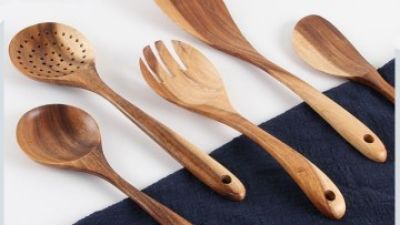
This versatile collection includes a frying pan spatula, shovel, wooden spoon, soup spoon, and strainer, catering to various cooking tasks such as frying, stir-frying, serving, and scooping. Each tool is thoughtfully designed with an ergonomic handle, ensuring comfort during extended use. The polished edges provide additional safety, as they won’t scratch your cookware or harm your hands while cooking, which is especially crucial for preserving the integrity of non-stick pans.
Moreover, the spatula set's thoughtful design features hanging holes for easy storage and organization in your kitchen. They are particularly ideal for use with non-stick pans, eliminating concerns about damaging the delicate coating. By incorporating these stylish, functional utensils into your kitchen routine, you can effortlessly enhance your culinary skills and enjoy the art of cooking.
FAQS
: Organic wooden bowls enhance decor with unique aesthetics and functionality. They also improve indoor air quality and add warmth.
Look for bowls made from responsibly sourced wood and check for eco-friendly certifications to verify sustainable practices.
Yes, they are safe for serving snacks and fruits. They are biodegradable and free from harmful chemicals.
Inspect the finish and craftsmanship. Some utensils may crack or warp, affecting their longevity and usability.
Yes, they can serve as unique serving dishes or be used for organizing kitchen items. Their versatility is a plus.
Absolutely! They can act as planters for herbs or succulents, adding greenery and aligning with eco-friendly trends.
They need special care during washing. Improper cleaning can lead to deterioration, which is crucial to consider before purchase.
Conclusion
Organic wooden bowls are an excellent choice for enhancing home decor, offering both aesthetic appeal and environmental benefits. When selecting these bowls, it's essential to understand the types of wood used, which can affect durability and look. Evaluating the manufacturing process for organic certification ensures that the bowls meet sustainability standards. Additionally, considering size, shape, and design is crucial in aligning the bowls with your decor style.
Moreover, checking for sustainable sourcing and eco-friendly practices can further solidify the positive impact of your purchase. Learning how to care for and maintain organic wooden bowls will help preserve their beauty and functionality over time. Finally, these bowls can serve various purposes beyond mere decor, making them versatile additions to any home. By following these guidelines, you can make informed decisions when choosing organic wooden bowls that not only complement your home but also support sustainable living.