Picking out an Innovative Cutting Board for your kitchen can really change how you approach cooking. These boards aren’t just about looks; they actually mix practicality with a bit of creative flair. Not only do they make food prep easier, but they also add a nice touch of style to your space. There’s a bunch of different materials and designs out there, so you can find one that suits your needs perfectly.
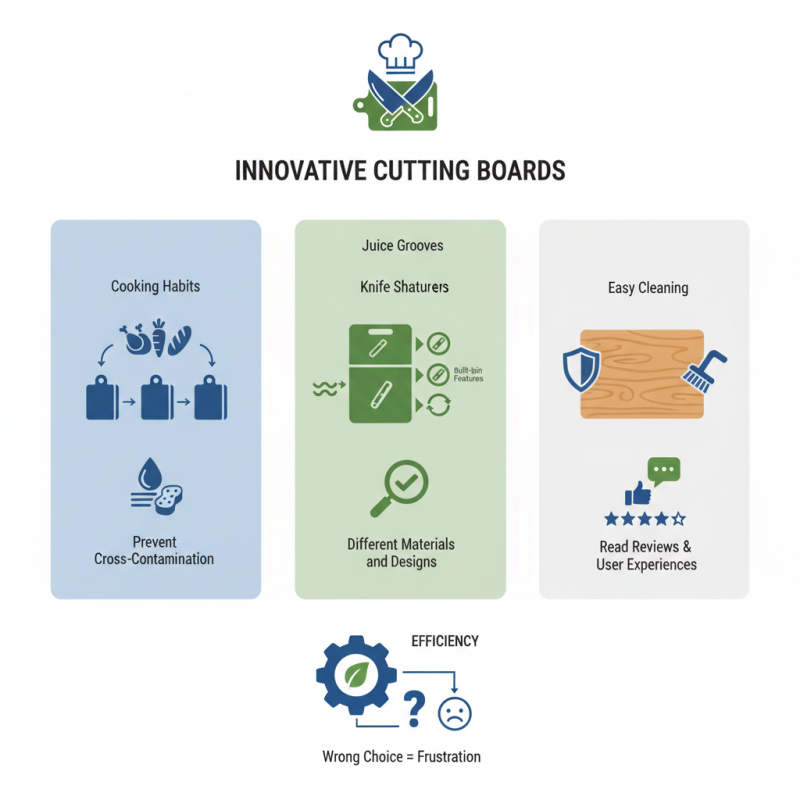
Think about how you usually cook. Are you chopping a lot of veggies, handling raw meat, or maybe just slicing bread? An Innovative Cutting Board can help guard against cross-contamination and keep your prep safer. Some come with handy features like juice grooves or even built-in knife sharpeners—pretty cool, right? The variety means you can pick something that fits your particular habits.
That said, not every board out there is top-notch. It’s important to look for something durable and easy to clean—you don’t wanna be stuck dealing with a mess or flimsy materials. Some products might sound great online but don’t really hold up in real life. Definitely check out reviews and what other users are saying. A good choice can make your kitchen work smoother, while the wrong one can just be a source of frustration. So take your time, pay attention to the details, and choose something that genuinely fits your kitchen’s vibe.
Understanding the Importance of an Innovative Cutting Board
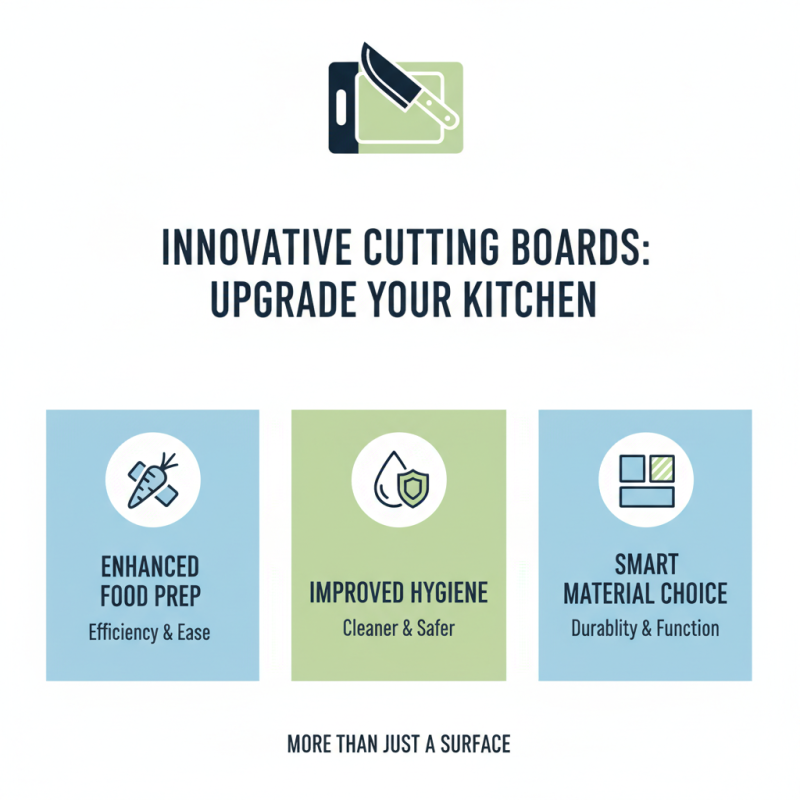
Choosing the right cutting board can significantly impact your cooking experience. An innovative cutting board goes beyond just a flat surface. It enhances food prep and improves kitchen hygiene. Many materials are available, but understanding their features is crucial.
Different cutting boards offer various functionalities. Some include built-in knife sharpeners or integrated measuring tools. Others feature grooves for collecting juices, which prevent spills on your countertop. When considering looks, a stylish board adds sophistication to your kitchen. However, focus on practicality first. A beautiful board is useless if it cracks or warps easily.
Reflecting on your habits is vital. Do you chop daily or occasionally? Your choice should match your usage. A rigid board may work for some, but others might need flexibility. Assessing your routines helps in selecting a suitable cutting board. Remember, an innovative cutting board is not just a tool; it’s an investment in how you cook and prepare meals.
Materials Used in Modern Cutting Boards and Their Benefits
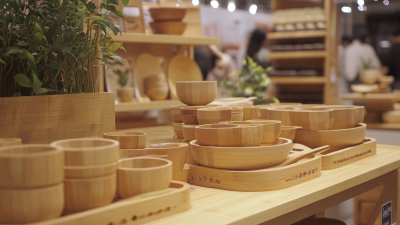
When selecting a cutting board, understanding the materials is crucial. Modern cutting boards are made from various materials, each with distinct benefits. For instance, bamboo boards are popular due to their eco-friendliness and durability. A study from the USDA highlighted that bamboo has natural antibacterial properties, making it a safer choice for food preparation.
Plastic cutting boards are also common. They are lightweight and easy to clean, but they can retain knife marks, which may harbor bacteria. According to a report from the CDC, cleaning plastic boards properly with hot, soapy water after use minimizes contamination risks. Wood boards, on the other hand, are favored by chefs for their durability and aesthetics. While they require more maintenance, their ability to self-heal from cuts is noteworthy, as shown by various culinary studies.
Tip: Consider having multiple cutting boards. Allocate different boards for different tasks, such as meats and vegetables. This prevents cross-contamination.
In choosing your cutting board, reflect on your cooking habits. Opt for materials that fit your lifestyle. Remember, a quality cutting board can impact food safety and preparing efficiency. Balance preferences with practicality for the best results in your kitchen.
Evaluating Different Designs for Functionality and Aesthetics
When selecting a cutting board for your kitchen, consider both functionality and aesthetics. A well-designed cutting board can enhance your cooking experience. Look for materials that suit your cooking style. Bamboo and wood offer a warm aesthetic, while plastic is easy to clean. Each material has its merits and drawbacks. Think about how the board will fit into your kitchen's design.
Tip: Choose a cutting board size that complements your countertop space. A larger board may provide more room for cutting but could overwhelm a small kitchen.
Evaluate the thickness as well. A thicker board can withstand heavy-duty cutting. But it may be hard to store if space is tight. Some boards even have hidden features, such as juice grooves or integrated trays. These can elevate both functionality and presentation.
Tip: Test the board's weight. A heavier board is less likely to slip during cutting. However, a lightweight board can be easier to move. Finding the perfect balance is key for any chef. A cutting board should not only serve its purpose but also add beauty to your kitchen.
Remember, the right cutting board is a personal choice. Reflect on your cooking habits and kitchen design. Make sure it meets your needs while staying visually appealing.
Choosing the Right Size and Shape for Your Kitchen Needs
Choosing the right cutting board involves more than just style. The size and shape are crucial for functionality in your kitchen. A small board may limit your chopping space, while an oversized option can be awkward to handle. Consider the size of your countertop and how much space you typically use for food prep.
Rectangular boards are versatile for slicing and chopping. Square boards can be great for tasks that need a bit more area. If you’re often preparing large meals, a larger board might be necessary. Sometimes, having multiple sizes is the best solution. Don’t forget about thickness. A thicker board can be sturdier, allowing for heavier cutting tasks.
Think about how often you cook. If you’re a daily chef, a larger, durable board can save you time. For occasional use, a smaller board might suffice. Pay attention to the weight as well; a lightweight board can be easier to maneuver. Reflect on your habits and kitchen layout. Adjust your choice based on your unique needs and cooking style.
Features to Look for: Antimicrobial, Non-Slip, and Knife-Friendly
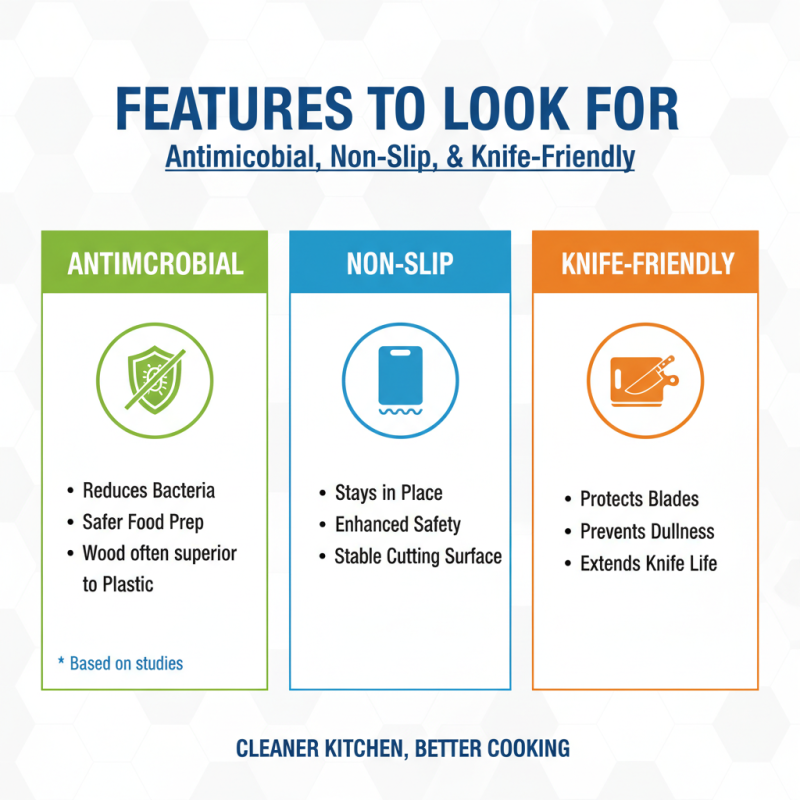
When selecting an innovative cutting board, focus on key features like antimicrobial properties, non-slip surfaces, and knife-friendly materials. Antimicrobial cutting boards can significantly reduce the growth of harmful bacteria, making food preparation safer. Studies suggest that wooden boards can be more effective at eliminating bacteria than plastic ones due to their natural properties. Choosing a board with the right features promotes cleanliness and enhances cooking experiences.
Incorporating a non-slip feature is vital. A stable cutting surface prevents accidents and ensures efficiency in the kitchen. Boards with rubberized edges or silicone grips provide this stability. This aspect is especially important when cutting meat on a wood cutting board, where slipping can lead to serious cuts or injuries.
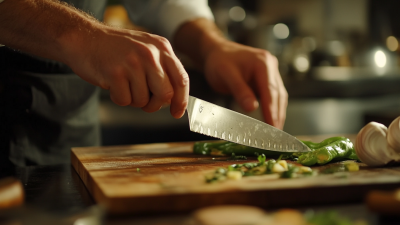
Knife-friendly materials reduce wear on your kitchen knives. Boards made from softer woods, such as maple or bamboo, help maintain knife sharpness while providing a sturdy surface. However, they may require more frequent maintenance to avoid scratches. Always consider how you'll use the board. If you're preparing a lot of raw meat, you might reflect on the cleaning process and upkeep required for your chosen material.
Tips: Regularly sanitize your board. Use a mixture of vinegar and water for a quick clean. Remember to keep your cutting boards dry to prevent bacteria growth.
Maintenance and Care Tips for Longevity of Your Cutting Board
When selecting a cutting board, longevity is vital. Proper maintenance can significantly enhance its lifespan. Start by washing your cutting board with warm, soapy water immediately after use. Avoid soaking it, as excess water can warp the board. Regularly oil wooden boards to prevent cracking. Use food-safe mineral oil for the best results. Apply it with a soft cloth, letting it penetrate the wood overnight.
Sanitizing is also crucial. A mixture of vinegar and water can effectively combat bacteria. Spray the solution, then wipe it down with a clean cloth. This method is gentle yet effective. Avoid harsh chemicals, as they can damage the board's finish. For stubborn stains, a paste of baking soda and water works wonders. Let it sit for a few minutes before scrubbing gently.
Storage matters too. Keep your cutting board in a dry place, away from direct sunlight. This prevents warping and fading. If you notice any signs of wear, like deep grooves or splintering, it might be time to reflect on whether it’s time to replace your board. Frequent careful inspections keep your kitchenware in top shape. Treat your cutting board well, and it will serve you for years.
Budget Considerations: Balancing Quality with Affordability
When choosing a cutting board, budget is crucial. You want quality but also need to be mindful of your wallet. An innovative Board Cutting Board does not have to break the bank. Many affordable options provide excellent durability and functionality. Look for materials that offer both resilience and cost-effectiveness.
Tips: Consider wood and bamboo. They are often more affordable than plastic or glass. They also resist bacteria better than many surfaces. However, cheaper boards might require more frequent replacement. Assess how much you’re cooking to evaluate durability.
Quality doesn't always align with price. Some expensive board cutting boards might not justify their cost. Research user reviews and consider the material. A mid-range option could serve your needs just as well. Don’t get swayed by fancy features that don’t increase usability.
Tips: A good board should be easy to clean and maintain. Sometimes expensive boards come with complicated upkeep. Make sure you understand what you are buying. Weigh the benefits of sturdiness against the price. You might find hidden gems in more affordable options.
FAQS
: It significantly impacts your cooking experience and kitchen hygiene.
Some include built-in knife sharpeners, measuring tools, and grooves for juice collection.
Popular materials include bamboo, plastic, and wood, each with unique benefits.
They are eco-friendly, durable, and have natural antibacterial properties.
Clean them properly with hot, soapy water to minimize contamination risks.
Use separate boards for meats and vegetables, reducing the risk of bacteria transfer.
Consider your cooking habits, space available, and the types of food you prepare.
They need care to maintain their durability but are favored for aesthetics.
Choose a size that complements your countertop while providing ample cutting space.
Heavier boards tend to stay in place better, while lighter ones are easier to handle.
Conclusion
When selecting an innovative cutting board for your kitchen, it's essential to understand its significance in enhancing culinary experiences. Modern cutting boards come in various materials, each offering unique benefits such as durability, ease of cleaning, and resistance to bacteria. Evaluating different designs can help you find a balance between functionality and aesthetics, ensuring that the board complements your kitchen decor while meeting daily cooking needs.
Choosing the right size and shape is crucial for efficient use, as well as considering features like antimicrobial properties, non-slip surfaces, and knife-friendly materials. Proper maintenance and care will extend the lifespan of your innovative cutting board, making it a worthwhile investment. Additionally, budget considerations play a key role in your selection, with options available that balance quality and affordability while ensuring you get the best value for your culinary endeavors.