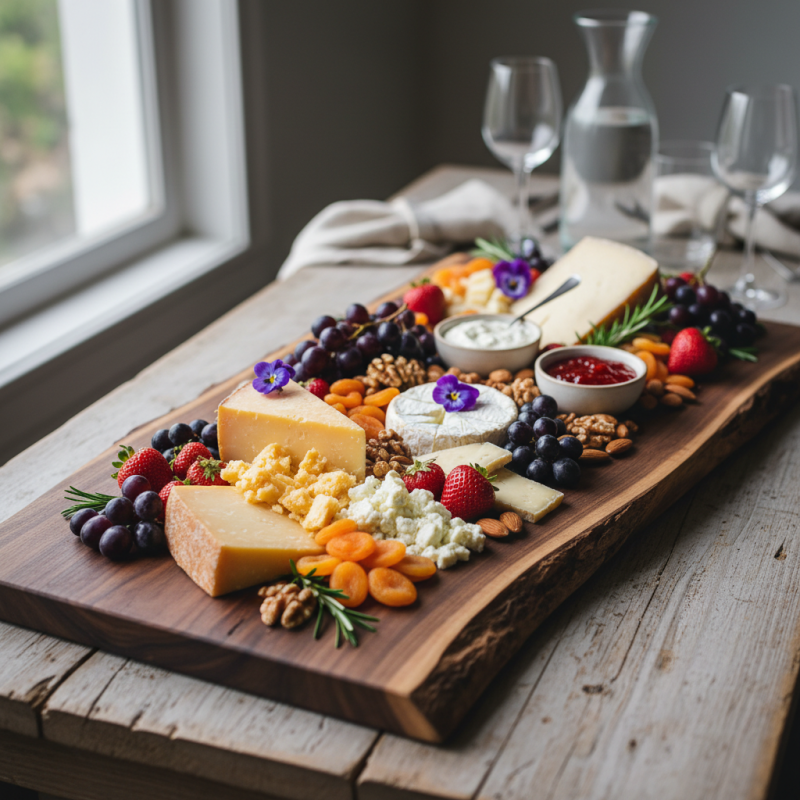
Trying to craft the perfect presentation with a Handcrafted Serving Board? Honestly, it can really take your gathering to the next level. Jane Thompson from Artisan Boards Co., a true expert in the game, points out, "The magic of a handcrafted board is in its charming little imperfections." Every single board has its own story to tell, and that adds a special touch to your dining experience.
Think about the texture and color of the wood – they can totally set the vibe for your meal. Arranging your cheeses, fruits, and dips with a bit of thought not only looks nicer but also makes it more inviting. Throwing in a sprig of rosemary or a couple of edible flowers? That’s such an easy way to make your setup pop. Sometimes, less really is more — stuffing everything on the board can just end up looking messy.
And yeah, choose your items wisely. Do they work well together? Are they fresh and seasonal? Paying attention to those little details can really make even a simple snack feel special. Remember, each Handcrafted Serving Board is basically a blank canvas. Its charm doesn’t just come from the craftsmanship but also from your own creative touch.
Handcrafted Serving Board Material Selection: Wood Types and Benefits
When selecting materials for handcrafted serving boards, wood types matter significantly. Different woods offer unique benefits. For instance, hardwoods like maple and walnut are durable and resistant to scratches. According to a report by the Wood Products Council, hardwoods maintain their appearance longer than softer woods. Softer woods, while aesthetically pleasing, can show wear and tear quickly.
Bamboo is becoming a popular choice too. It's eco-friendly and lightweight. The Handcrafted Single-Layer Oval Bamboo Lunch Box exemplifies how bamboo’s versatility can enhance presentation. Bamboo is not just lightweight but also possesses natural antibacterial properties. This makes it a safe option for food service. However, bamboo can be more prone to cracks than traditional hardwoods if not cared for properly.
Each wood type can influence the overall experience of serving. For example, a rustic oak board can add charm, but it may require more maintenance. Some users report that they prefer the look of a specific wood style, even if it’s not technically the best choice. Finding a balance is key. Choosing the right wood type often comes down to personal preference, which may not always align with practicality.
Optimal Serving Board Dimensions for Various Culinary Presentations
When choosing dimensions for your handcrafted serving board, consider the type of food you’ll present. A board for appetizers may measure around 12x18 inches. This size allows for a variety of cheeses, meats, and fruits. For charcuterie, a slightly larger board, about 14x22 inches, can offer a more generous layout. It provides guests with ample space to enjoy a mix of flavors.
While it’s important to have space, balance matters too. A board that’s too big may look sparse. Try to fill the available space with colorful ingredients. When planning your arrangement, think about the visual appeal. Use seasonal fruits and vibrant vegetables to catch the eye. Remember that the presentation is just as vital as the food itself. Don’t overthink it.
Also, be aware of the materials used in your serving board. Different woods impart distinct qualities. Each Handcrafted Spoon or board tells a story, echoing the artisan's dedication. Imperfections can bring charm and character. Reflect on how these unique features enhance the overall experience for your guests.
Techniques for Finishing and Maintaining Wooden Serving Boards
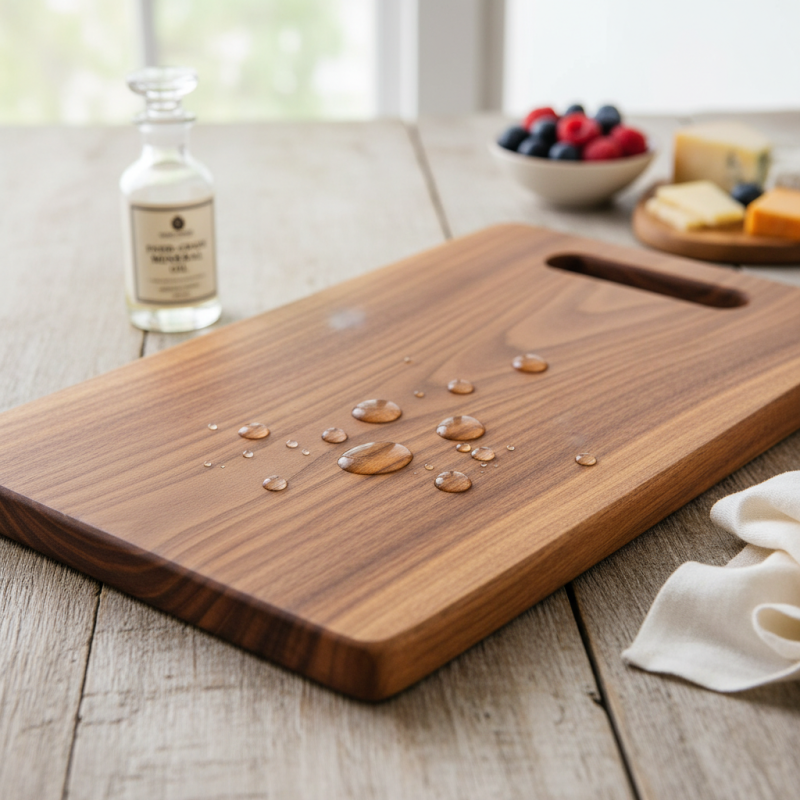
Caring for your wooden Serving Board is essential for longevity and aesthetics. Proper finishing creates a barrier against moisture. According to industry reports, untreated wood absorbs moisture, which can cause warping and cracks. Choosing the right finish, like food-grade mineral oil, enhances the wood's natural beauty and protects it.
Regular maintenance is vital. Clean your serving board after each use with hot water and mild soap. Avoid soaking it, as excess moisture can lead to issues. The National Wood Flooring Association states that proper cleaning and drying can extend any wood product's life to over 10 years. This means your serving board deserves careful attention.
Some imperfections may arise over time. Scratches or dullness can occur, even with proper care. It's essential to regularly sand the surface lightly to restore its smoothness. A little effort goes a long way in maintaining its charm. Consider reapplying oil every few months, especially if it starts to look dry. A well-maintained serving board not only looks good but also makes a statement at gatherings.
Creating Visual Balance: Arranging Food on Serving Boards
Arranging food on serving boards is an art that enhances presentation. Creating visual balance is essential for an inviting display. Consider the colors and shapes of the food items. A study shows that vibrant colors can increase appetite by 20%. Use different textures to add interest. For example, mix crunchy nuts with soft cheeses.
Placement matters greatly. Keep heavier items, like cheeses, towards the center. This draws the eye and stabilizes the board. Scatter lighter items, like fruits and crackers, around the edges. A chaotic arrangement can leave a confusing impression. Not every attempt will be perfect; sometimes, less is more.
Take a moment to reflect on your layout. If an area feels empty, fill it with a colorful garnish. However, avoid overcrowding. Research indicates that busy visuals can overwhelm diners, decreasing enjoyment by 30%. The goal is to create a harmonious display that invites your guests to indulge.
Incorporating Color and Texture: Enhancing Presentation with Garnishes
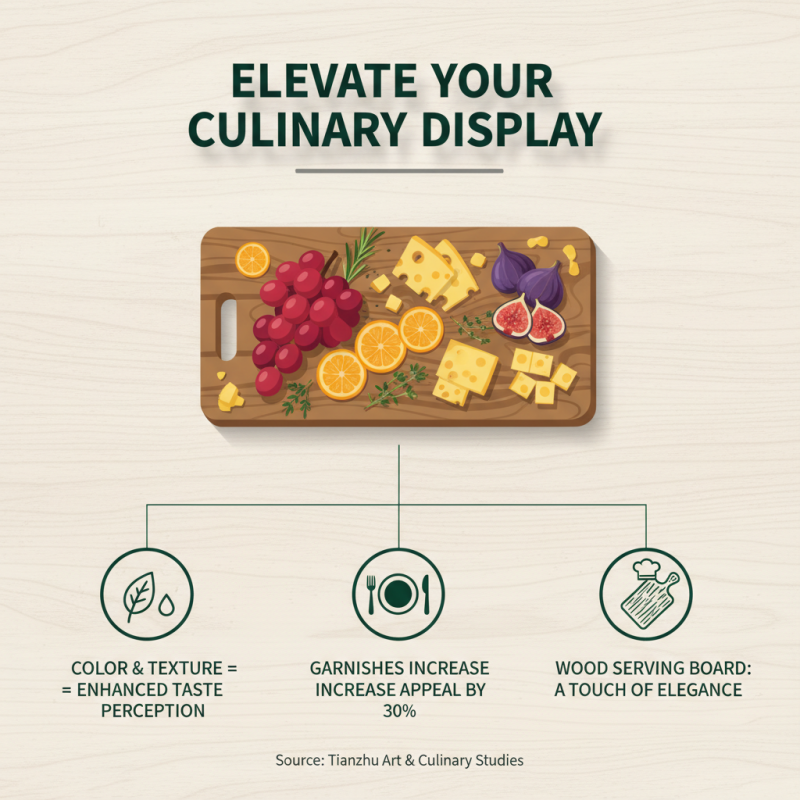
Creating a visually appealing presentation is essential for any gathering. Utilizing a Wood Serving Board can elevate your culinary display significantly. Incorporating color and texture enhances not just the appearance but also the perception of taste. Studies show that food presented with garnishes is often perceived as more delicious. A colorful garnish can increase meal appeal by as much as 30%.
Fresh herbs, edible flowers, and vibrant fruits can brighten up your Wood Serving Board. For instance, a sprinkle of parsley adds a fresh green tone. This can contrast beautifully against a creamy cheese or a rich dip. However, be mindful of balance. Overcrowding your board can lead to visual chaos. Aim for a curated look where every element has its space.
Texture plays a crucial role too. Experiment with crunchy nuts next to creamy spreads. This contrast creates interest. Utilizing varied shapes, like slices of fruit and cubes of cheese, adds dimension. Yet, it’s important not to get carried away. Too many textures can overwhelm your palette. A thoughtful approach promotes a cohesive presentation. Remember, it’s the imperfections in arrangements that can lend authenticity. Embrace simplicity while allowing unique elements to stand out.
Industry Trends: Eco-Friendly Practices in Serving Board Production
Eco-friendly practices are becoming essential in serving board production. More artisans are choosing sustainable materials.
Bamboo and reclaimed wood are popular choices. They reduce waste and promote a green image.
However, sourcing these materials can be tricky. Not all suppliers follow eco-friendly guidelines.
Research is vital to ensure sustainability.
The production process also matters. Many craftsmen are using non-toxic finishes.
These protect the wood without harming the environment. It's a challenging balance to achieve.
Some finishes may not raise as much concern. Yet, they could still impact the environment in subtle ways.
Consumers are increasingly aware of their choices. They prefer products that reflect their values.
This expectation puts pressure on artisans.
They must innovate while maintaining quality. Embracing eco-friendly methods can enhance aesthetics but also raises questions about longevity.
How do we ensure beauty without compromising nature?
The path to a perfect presentation is complex. Continuous reflection is needed to align craftsmanship with ecological responsibility.
Best Practices for Cleaning and Storing Handcrafted Serving Boards
Cleaning handcrafted serving boards is essential for maintaining their beauty and hygiene. After each use, wipe them with a damp cloth. Avoid soaking them in water as it can warp the wood. For tougher stains, use a mixture of baking soda and water. This gentle abrasive can lift stains without damaging the surface. Rinse the board thoroughly and dry it immediately.
Storing your serving boards properly can extend their life. Keep them in a dry, cool place. Avoid stacking them with heavy items to prevent dents and scratches. A dedicated spot showcases their beauty, but be mindful of humidity levels in the room. Excess moisture can lead to mold growth.
Tip: Regularly oil your serving boards to keep them conditioned. Food-safe mineral oil works wonders. Apply a thin layer and let it soak overnight. Repeat this every month for optimal care. Remember, neglecting your boards can lead to irreversible damage. Reflect on how you care for them over time; small efforts make a big difference.
Leveraging Design Trends: Analyzing the Market Potential of Wooden Fruit Tray Serving Solutions for Modern Home Decor
In recent years, the trend of integrating functional design with aesthetics in home decor has grown significantly, particularly in the realm of serving solutions. Wooden fruit tray serving solutions are emerging as a popular item, not only for their natural beauty but also for their practical applications. These trays serve as a centerpiece for modern homes, seamlessly blending with various interior styles while providing a versatile platform for entertaining.
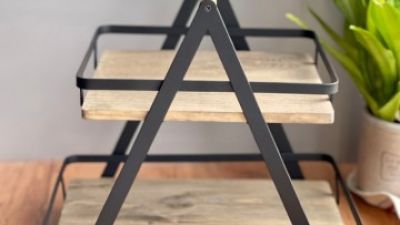
One standout feature of the two-layer wooden tray is its ability to cater to multiple guests simultaneously—ideal for vibrant family dinners or gatherings with friends. With ample space designed to accommodate plates, cups, snacks, and appetizers, this product enhances the overall dining experience. The sturdy handles add an extra layer of convenience, allowing hosts to effortlessly move the tray from the kitchen to the dining area or outdoor settings. This versatility not only heightens the functionality of the tray but also reinforces its market potential as a staple in contemporary decor.
As more homeowners seek to create inviting atmospheres, leveraging trends that marry traditional materials like wood with modern design can significantly impact market potential. The wooden fruit tray serves as a perfect embodiment of this approach, encouraging social interaction while elevating the aesthetic appeal of any dining setup. Emphasizing sustainability and craftsmanship, these trays respond to a growing consumer demand for quality and style, ensuring they remain a sought-after item in the world of home decor.
FAQS
: Look for quality and materials used. Check reviews from other consumers. Consider your personal needs carefully.
Research thoroughly before purchasing. Compare features and prices. Ask questions to clarify any doubts you have.
Contact customer support immediately. Document the issue with photos if possible. Read the return policy for guidance.
Yes, there can be scams. Always use secure payment methods. Be cautious of deals that seem too good to be true.
Most sellers provide tracking information via email. You can also log into your account on their website for updates.
Delays may occur due to weather or high demand. Packages can also get lost in transit. Patience is sometimes necessary.
It depends on the seller's policy. Contact them as soon as possible. Changes may not always be permitted.
Generally, it's between 14 to 30 days. Always read the return policy for specific timeframes. Late returns may be rejected.
Conclusion
Handcrafted serving boards are an essential element for enhancing culinary presentations, and their effectiveness greatly depends on thoughtful material selection, optimal dimensions, and impeccable maintenance techniques. Various wood types offer distinct benefits, and understanding the ideal size for different food items can elevate the visual appeal of any gathering. Proper finishing techniques not only enhance the aesthetic of the boards but also ensure their longevity.
The arrangement of food on handcrafted serving boards is crucial for creating visual balance; incorporating colorful garnishes and textured elements further enriches the presentation. Moreover, with a growing emphasis on eco-friendly practices in production, selecting sustainable materials is becoming increasingly important. Finally, following best practices for cleaning and storing handcrafted serving boards will help maintain their beauty and functionality over time, making them a cherished addition to any kitchen.