Leave Your Message
0%

So, what exactly is a kitchen storage box, and how do you pick the right one? Well, this little gadget might seem simple, but it actually plays a pretty big role in organizing your kitchen. A good storage box can protect your dry goods, cut down on clutter in your cabinets, and even make cooking a little easier. Think of it holding rice, pasta, spices, snacks, or loose baking ingredients. But here’s the thing—if you choose the wrong box, it can end up wasting space, trapping moisture, or frustrating you with lids that don't quite fit.

Richard Joseph, who co-founded Joseph Joseph, once said, “Good design should solve everyday problems simply.” And honestly, that idea is pretty spot-on when it comes to kitchen storage. A dependable box should open smoothly, seal tight, and be easy to clean. Clear sides come in handy because you can see what's inside without digging around forever. Straight sides make stacking easier and save space, while rounded corners can stop food bits from hiding in those tricky little crevices. It’s the small details that really count.

Size isn’t everything, though. You’ve gotta consider the material quality, how well the lid seals, whether it stacks nicely, and how easy it is to wash. And don’t forget to check if it’s safe for food contact—that's pretty important. Sometimes, the product description doesn't give you the full picture, so it’s worth digging into the manufacturer’s specs and care instructions. For example, a Kitchen Partition Storage Box can be handy for organizing tea bags, sauces, or snack portions—but make sure the dividers don’t make cleaning a nightmare.

No storage box is perfect, of course. Big containers can save you from refilling often but might feel heavy when full. On the flip side, lighter ones are easy to carry but might topple more easily, especially on a busy shelf. At the end of the day, it’s all about your routine—what works best for you, rather than what’s trendy or looks pretty. In this guide, I’ll go over practical features, common mistakes to avoid, and how to pick the right one for your kitchen. Remember, the most expensive option isn’t always the best—sometimes, it’s just about finding a box that suits your food storage needs, shelf space, habits, and patience level.
What Is a Kitchen Storage Box and How to Choose It?

What Is a Kitchen Storage Box?

A kitchen storage box is a reusable container for organizing, protecting, or preserving food and household ingredients. It may hold rice, sliced vegetables, leftovers, spices, or small utensils. Common materials include food-grade plastic, glass, stainless steel, and silicone. Shapes vary from shallow trays to tall, stackable containers. The lid matters most. A reliable seal reduces spills, moisture, odors, and unnecessary air exposure.

The Food and Agriculture Organization reported that about 14% of food is lost globally between harvest and retail. The United Nations Environment Programme’s Food Waste Index Report 2024 estimated 1.05 billion tonnes of food waste in 2022. Household waste represented 60% of that amount.

A storage box cannot solve food waste alone, but clear labels and visible portions can support better daily decisions. I have overfilled boxes before. The lid closed, but the vegetables softened quickly. That small failure taught me that storage volume needs practical limits.

When choosing a box, check its intended use, seal quality, temperature range, and cleaning instructions. Glass suits oven use and resists lingering odors, but it weighs more. Plastic is lighter, yet damaged or clouded containers deserve replacement. Look for smooth corners, stable stacking, and readable capacity markings. A box should fit the shelf, not merely look efficient online. USDA food-safety guidance recommends keeping refrigerators at 40°F (4°C) or below, so refrigerator-safe materials and secure lids are important. Not every “airtight” box performs equally.

What Are the Main Types of Kitchen Storage Boxes?

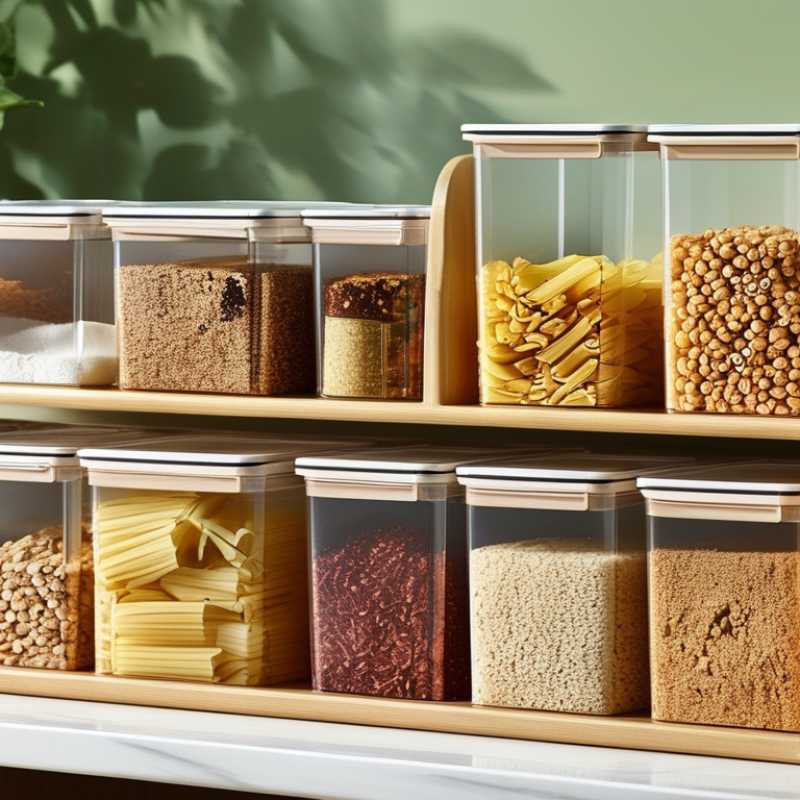
Kitchen storage boxes organize more than clutter. They protect food, separate tools, and make small cabinets easier to use. The main types include airtight pantry containers, stackable bins, drawer organizers, countertop canisters, and under-sink boxes. A Kitchen Cutlery Storage Box keeps knives, forks, and spoons separated, reducing scratches and messy searching. Clear bins suit dry goods because labels remain visible. Deep boxes work better for potatoes, towels, or cleaning supplies.

The UNEP Food Waste Index Report 2024 estimated 1.05 billion tonnes of food waste in 2022. Households created about 60% of it. Better storage cannot solve waste alone, but it can improve visibility and portion control. Choose food-safe materials, tight lids, rounded corners, and sizes that match your shelves. Measure depth carefully. A box that fits the cabinet may block the door. I have made that mistake. Stackable designs save vertical space, yet heavy stacks can become annoying during daily use. Testing one container before buying a full set is more reliable.

Tips: Check lid seals with a simple water test. Store frequently used items at eye level. Use shallow boxes for packets and deep boxes for bulk foods. Avoid storing damp vegetables in sealed containers unless ventilation is designed into the box. Review the system after one week; attractive storage can still be inconvenient.

Which Materials Are Used in Kitchen Storage Boxes?

A Kitchen Storage Box commonly uses polypropylene (PP), polyethylene (PE), glass, stainless steel, silicone, or bamboo-based materials. Each choice affects food contact, durability, weight, and cleaning. In daily pantry use, PP boxes are light and resist many household acids. They suit flour, rice, and dry beans. However, thin plastic may scratch, stain, or absorb strong curry odors.

Industry data gives useful context. PlasticsEurope’s Plastics—the Facts 2023 reported global plastic production of 400.3 million tonnes in 2022. This scale explains plastic’s affordability, but it also encourages careful reuse and disposal. Glass offers a different experience. The U.S. Environmental Protection Agency reported 12.3 million tons of glass containers in the municipal waste stream in 2018, with a 31.3% recycling rate. Glass is transparent and does not retain smells easily. It is also heavy and can break beside a sink.

Stainless steel is strong, moisture-resistant, and suitable for busy kitchens. It works well for coffee, spices, and utensils, but it hides the contents. Silicone usually appears in seals or collapsible containers, adding flexibility around lids. Bamboo fiber products can look warm, yet “bamboo” does not always mean pure bamboo; some products combine plant fiber with resin. Check the material statement carefully. I would not choose by appearance alone. A box should feel stable, close evenly, and remain practical after repeated washing. Short trials help. Notice the lid first.

What Is a Kitchen Storage Box and How to Choose It? - Which Materials Are Used in Kitchen Storage Boxes?

Material Comparison and Selection Guide for Kitchen Storage Boxes
Material Common Uses Main Advantages Limitations Moisture and Odor Resistance Care and Cleaning Best Choice When...
Food-Grade Plastic Dry foods, leftovers, refrigerator storage, pantry organization Lightweight, affordable, stackable, available in many shapes and sizes May absorb odors or stain; some types can warp with high heat Generally good; odor and stain resistance varies by plastic type and surface finish Use mild detergent; check the product instructions before using a dishwasher or microwave Low weight, low cost, and easy stacking are priorities
Glass Leftovers, sauces, meal preparation, refrigerator and oven-compatible storage when specified Does not readily absorb food odors or stains; easy to inspect; many types are dishwasher-safe Heavier and breakable; sudden temperature changes may cause thermal shock Excellent when the lid forms a reliable seal Wash with warm water and detergent; avoid moving cold glass directly into high heat unless rated for it Food visibility, odor resistance, and long-term reuse matter most
Stainless Steel Dry ingredients, lunch storage, refrigerator organization, food preparation Durable, corrosion-resistant, opaque, and highly resistant to food odors Cannot be used in a microwave; contents are not visible; quality varies by steel grade and construction Very good for normal kitchen moisture and most food odors Hand wash or follow the care instructions; dry promptly to reduce water spots Strength, durability, and odor resistance are more important than transparency
Silicone Flexible food pouches, freezer storage, collapsible containers, lids and seals Flexible, space-saving, lightweight, and suitable for freezer use when labeled accordingly Can retain strong odors; flexible walls may be less stable for stacking Good moisture resistance; odor retention depends on the food and cleaning method Wash thoroughly and allow to dry completely; inspect for cuts or surface damage Cabinet space is limited or flexible freezer storage is needed
Bamboo or Wood Bread boxes, dry-goods organizers, countertop storage, utensil containers Natural appearance, rigid construction, and useful for dry storage Can absorb water and odors; not ideal for wet foods unless properly sealed and designed for that use Moderate to low without a moisture-resistant finish Wipe with a damp cloth, avoid soaking, and dry immediately Appearance and dry-food organization are key considerations
Ceramic Countertop storage, spice containers, dry ingredients, serving and display Non-porous glazed surfaces are easy to clean and resist many food odors Heavy and breakable; unglazed or damaged surfaces may absorb moisture Good when fully glazed and paired with a well-fitting lid Clean with mild detergent; avoid abrasive cleaners that may damage the glaze A decorative, stable container for dry goods is desired
Paperboard or Cardboard Dry pantry items, lightweight drawer dividers, temporary organization Very light, inexpensive, and easy to label or customize Poor resistance to water, grease, and repeated washing; limited durability Low unless coated or laminated; should be kept away from spills Use a dry cloth or replace when soiled; do not immerse in water A temporary, lightweight, or low-cost dry-storage solution is needed
Key Selection Factors: Choose a box according to the food type, required capacity, available cabinet or refrigerator space, lid seal, stacking stability, cleaning method, temperature requirements, visibility, durability, and moisture resistance. Always follow the container's care and temperature instructions before using it in a microwave, oven, freezer, or dishwasher.

What Features Should You Consider Before Choosing One?

What Is a Kitchen Storage Box and How to Choose It?

A kitchen storage box protects dry food from moisture, insects, odors, and accidental spills. The right choice depends on daily use, not appearance alone. UNEP’s Food Waste Index Report 2024 estimates that households wasted 631 million tonnes of food in 2022. Better storage may reduce avoidable waste, although containers cannot solve poor meal planning.

Check the material, seal, size, and cleaning method. Choose food-contact materials from reputable manufacturers, and avoid boxes with strong chemical odors. The USDA recommends following storage directions and keeping food at safe temperatures. An airtight lid helps with flour, rice, cereal, and spices. Transparent walls make contents visible. However, clear plastic can stain or cloud over time. Glass resists odors, but it feels heavy and may break near busy worktops. Measure your cabinet height before buying. My first container looked practical, but its wide lid wasted shelf space.

Tips: Test the lid with one hand. Stack only matching shapes. Leave a small label area. Select boxes that are dishwasher-safe when possible. Rounded corners simplify cleaning, especially after storing sugar or sauces. Check whether replacement lids are available. This detail is easy to miss. A box should also open comfortably for older users or anyone with limited hand strength. The best container is not the largest one; it is the one you will clean, identify, and use consistently.

How Do You Select the Right Size and Capacity?

A kitchen storage box protects dry ingredients from moisture, pests, and scattered shelves. Yet its size matters more than its appearance. Before buying one, measure the shelf depth, height, and space around nearby containers. Leave about two centimeters for easy removal. A box that fits tightly may hold more, but it can become awkward to clean and use. I learned this after filling a tall container with flour and struggling to lift it from a crowded cabinet. Small details matter.

Match capacity to your buying habits, not an imagined perfect kitchen. One person may need a 1.5-liter box for rice or cereal, while a family may need 3 to 5 liters. Check an ingredient’s volume and weight separately. Dense grains can make a large box surprisingly heavy. For frequently used items, choose a wider opening and moderate height. You can scoop without spilling. For backup supplies, taller boxes can save shelf space, but only when the cabinet allows safe access.

Kitchen Storage Supplies should also support clear organization. Use different capacities for flour, sugar, pasta, and snacks. Do not force every ingredient into one shape. Transparent walls help you see the remaining amount. A firm lid should close evenly, with no visible gaps. I sometimes choose containers that are too large, assuming fewer refills are better. That choice can waste space and hide older ingredients. Test one box at home before purchasing a complete set. It may reveal an inconvenient corner or an uncomfortable grip.

What Is a Kitchen Storage Box and How to Choose It?

How Do You Select the Right Size and Capacity?

Choose a storage box according to the items you need to store and the available cabinet or shelf space. The estimated capacity below is calculated from each box's internal length, width, and height.

Small boxes are suitable for spices and small ingredients, medium boxes work well for grains and snacks, large boxes are useful for flour or cereal, and extra-large boxes are better for bulk dry goods.

How Should Kitchen Storage Boxes Be Used and Maintained?

A kitchen storage box protects ingredients, controls clutter, and makes daily cooking more predictable. Wooden Kitchen Storage Supplies can add warmth, but they need careful handling. Use boxes for dry foods such as rice, flour, spices, and unopened snacks. Keep wet foods in suitable, food-safe containers instead. Moisture can enter wood and create odors, swelling, or hidden mold.

The USDA Food Safety and Inspection Service advises keeping refrigerators at 40°F (4°C) or below. It also recommends using refrigerated leftovers within three to four days. Therefore, label each box with the storage date. Store older items at the front. Choose shallow boxes for cooked food, because cooling happens more evenly. The U.S. Environmental Protection Agency reported about 58.6 million tons of wasted food in 2019. Better portioning may reduce avoidable waste, although containers alone cannot solve it.

Tips: Wash boxes with mild detergent and warm water. Do not soak wooden boxes. Dry every surface completely before closing the lid. Check hinges, seals, corners, and scratches weekly. Replace damaged containers. Airtight lids are useful, but not for every ingredient. Some produce needs airflow. I still make this mistake occasionally: a perfectly tidy box can hide forgotten food underneath. A simple label prevents that problem. Rotate supplies during cleaning, and keep heavy boxes on lower shelves.

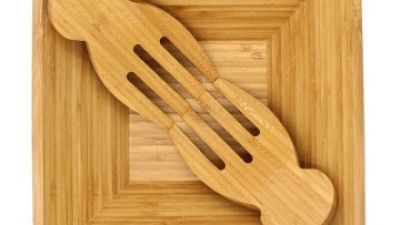
Bamboo Salad Server Claws Set: A Natural Choice for Everyday Kitchen Serving

Bamboo Salad Server Claws Set: A Natural Choice for Everyday Kitchen Serving

Bring a touch of natural simplicity to everyday meals with a bamboo salad server claws set designed for practical and attractive table service. Made to feel warm and comfortable in the hand, the lightweight bamboo construction offers an inviting alternative to ordinary serving utensils. The clean, organic surface pairs easily with a variety of table settings, from relaxed family dinners to thoughtfully arranged gatherings, while the durable design makes serving salads, vegetables, and other shared dishes effortless.

This collection goes beyond function by treating kitchen tools as part of the dining experience. The salad bowl features a crisp geometric square shape that gives the table a modern, artistic character, while the salad fork adds a playful anthropomorphic detail for a distinctive visual touch. Together, the bowl and serving claws create a balanced combination of natural texture, simple form, and expressive design. For those who appreciate contemporary interiors and meaningful everyday objects, this set turns an ordinary serving moment into a subtle expression of personal style.

FAQS

What materials are commonly used in kitchen storage boxes?

Common materials include polypropylene, polyethylene, glass, stainless steel, silicone, and bamboo-based composites. Each affects weight, durability, cleaning, and food contact.

Which material suits flour, rice, and dry beans?

Lightweight plastic boxes work well for these foods. They resist moisture and many mild household acids. Thin plastic may scratch or retain curry odors.

Are glass storage boxes a good choice?

Glass shows the contents clearly and resists odors. However, it is heavy and can break beside a sink. Handle it carefully.

When is stainless steel useful?

Stainless steel suits coffee, spices, and utensils. It resists moisture and feels durable. The main drawback is hidden contents.

What should I check about bamboo-based boxes?

Read the material statement carefully. Some bamboo products combine plant fiber with resin. “Bamboo” does not always mean pure bamboo.

How important is the lid seal?

A tight seal helps protect flour, cereal, rice, and spices from moisture and insects. Test the lid with one hand. It should close evenly.

What size and shape should I choose?

Measure cabinet height before buying. Choose stackable shapes with rounded corners. Leave space for labels and comfortable hand access.

Are dishwasher-safe boxes better?

Dishwasher-safe containers usually simplify cleaning. Check the care instructions first. Repeated washing may scratch plastic or cloud clear surfaces.

How can storage boxes help reduce food waste?

Good containers protect food from spills, moisture, and odors. They may reduce avoidable waste, but they cannot replace sensible meal planning.

What mistake should buyers avoid?

Do not choose by appearance alone. I once bought a wide-lidded box that wasted shelf space. A short trial can reveal practical problems.

Conclusion

A Kitchen Storage Box is a practical container designed to organize, protect, and preserve food, ingredients, utensils, or small kitchen supplies. Common types include airtight containers, stackable boxes, drawer organizers, spice boxes, and compartment storage trays. They may be made from plastic, glass, stainless steel, silicone, or bamboo, with each material offering different benefits in durability, visibility, weight, heat resistance, and ease of cleaning.

Before choosing a Kitchen Storage Box, consider features such as an airtight seal, leak resistance, stackability, transparent walls, secure lids, and compatibility with refrigerators or dishwashers. Select the size and capacity according to the quantity and type of items you plan to store, while keeping available cabinet and shelf space in mind. For proper use, avoid overfilling, allow hot food to cool when required, and use suitable containers for heating or freezing. Clean and dry each box thoroughly after use, inspect seals and lids regularly, and replace damaged pieces to maintain hygiene and organization.

Olivia

Olivia

Olivia is a dedicated marketing professional at Jiangxi Tianzhu Arts & Crafts Co., Ltd., a company established in 2008 that specializes in the production and research of bamboo products. Located in the scenic 901 Forest Products Industrial Park on Junhua Avenue in Anfu County, Ji'an City, Jiangxi......
Previous What Are the Top China Fork Spoon Knife Suppliers?