In the world of cooking, choosing the right tools can really make a difference in how enjoyable your time in the kitchen feels. Take tableware wooden spoons, for instance — they’re pretty special because they balance practicality with a lovely aesthetic appeal. Interestingly, a report from the Global Tableware Industry Association reveals that the wooden spoon market has actually grown by about 15% over the past couple of years. That’s probably a sign that more folks are leaning toward sustainable and natural materials for their kitchens, which is pretty cool.
Experts like Chef Michael Turner often talk about how crucial good utensils are when it comes to cooking. He once mentioned, “A well-crafted wooden spoon can really lift your cooking from average to something a bit more extraordinary.” Honestly, there’s something comforting about the feel of a wooden spoon—it’s not just practical but also kinda connects you to old-school, traditional ways of cooking. That said, like all tools, how well these spoons work for you really depends on how you use and take care of them.
Of course, it’s not all sunshine and rainbows. There are some issues in the wooden spoon scene, like concerns around sustainability and whether the wood is ethically sourced. Plus, if you don’t maintain your spoons properly, they can wear out pretty fast and won’t last as long. Thinking about these factors can help us make smarter choices when picking our kitchen gear, so our tools stay both functional and beautiful over time.
Understanding the Benefits of Wooden Spoons in Tableware
Wooden spoons have been a staple in kitchens for centuries. Their unique properties offer several advantages over metal or plastic options. A study from the American Culinary Institute highlights that wooden utensils do not transfer heat like metal. This makes cooking safer, reducing the risk of burns.
Moreover, wooden spoons are gentle on pots and pans. They prevent scratches and damage, prolonging the life of your cookware. According to the Environmental Protection Agency, wooden utensils are biodegradable and have a lower environmental impact compared to plastic. However, wooden spoons require proper care. They can absorb food odors and flavors if not cleaned correctly.
Some people find it challenging to keep wooden utensils in good condition. Regular oiling is essential to maintain their natural sheen. Neglecting this can lead to cracks and splinters. It’s important to be mindful of how we treat these kitchen tools. Consider investing time in their upkeep, as the investment pays off with longevity. Embracing wooden spoons allows us to make a sustainable choice for our kitchens.
Choosing the Right Wooden Spoon for Your Cooking Needs
Choosing the right wooden spoon can significantly enhance your cooking experience. Wooden spoons are versatile and durable, making them a staple in many kitchens. When selecting a spoon, consider the type of food you typically prepare. A large, flat spoon is excellent for mixing and sautéing, while a long, thin one works well for stirring soups or sauces.
The material matters too. Natural Bamboo And Wooden Tableware are both safe for non-stick surfaces. They won't scratch your cookware, ensuring longevity. However, different woods offer varied durability. For instance, maple is strong but can absorb flavors, while beech is less porous. Think about the weight, too. A lightweight spoon may bend, while a heavy one could tire your wrist.
Pay attention to the finish. Some spoons come untreated, while others have oils or coatings. These can impact the spoon's lifespan and usage. It's essential to wash wooden utensils properly. Hand washing is often recommended to maintain their integrity. Reflect on your choices. Are you selecting based solely on aesthetics? Functionality should be a priority, as a beautiful spoon won’t help if it’s not practical for your cooking style.
Essential Care Tips for Maintaining Wooden Spoons
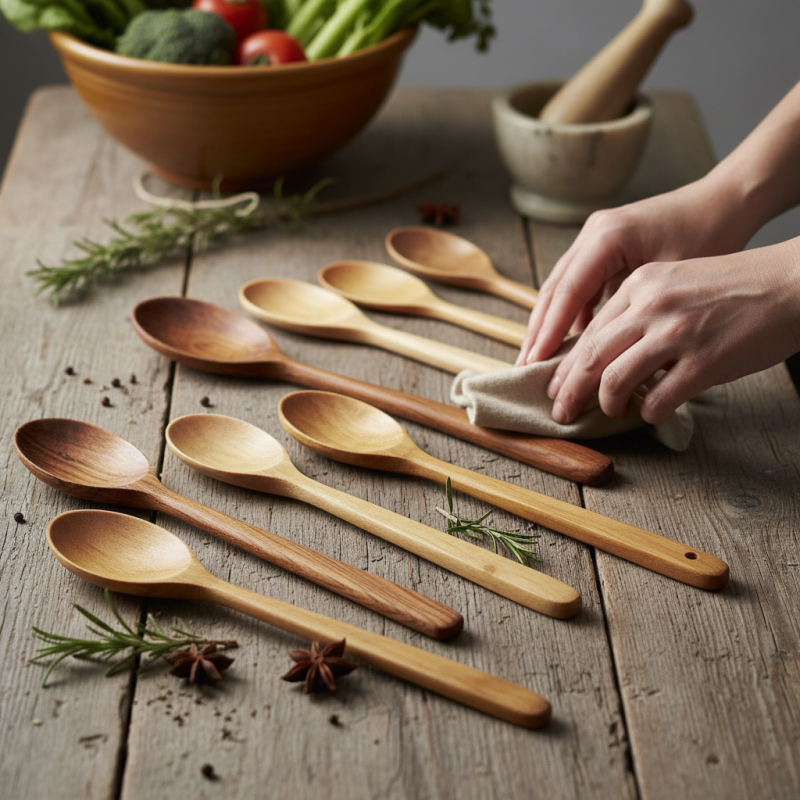
Wooden spoons require special care to maintain their beauty and functionality. Unlike plastic or metal, wood is porous and can absorb moisture and odors. Regular washing can lead to wear, so avoid soaking your wooden spoons. Instead, wash them with warm, soapy water. Quickly dry them with a soft cloth afterward. According to the American Wood Council, moisture can warp the wood over time, affecting the tool’s usability.
It’s crucial to oil wooden spoons periodically. A food-safe mineral oil serves as a protective barrier. Applying oil prevents drying and cracking. Experts recommend oiling every few months, especially for frequently used utensils. After using your wooden spoons for meals, including those with Baby Tableware Sets, check for any wear or damage. If they show signs of splintering, it reflects neglect in care.
Even the most diligent care can’t prevent all wear. Some imperfections may develop, adding character to the utensils. However, if they become too rough, it may be time to retire them. Regular assessments are vital. Caring for wooden spoons is as much an art as it is a necessity.
Common Mistakes to Avoid When Using Wooden Spoons
Using wooden spoons can elevate your cooking experience. However, it’s easy to make mistakes that can affect their longevity and performance. Many people forget that wooden spoons should never be soaked in water for long periods. This can lead to warping or cracking. Instead, wash them quickly under warm water and dry them immediately.
Another common error is using wooden spoons on high heat. This can cause the wood to scorch or lose its natural oils. It is advisable to use them for stirring and sautéing at low to medium heat. Also, avoid using wooden spoons with acidic ingredients. They can damage the wood over time.
While wooden spoons are great for cooking, not all are suitable for every task. Mixing thick batters or heavy ingredients can strain the spoon’s integrity. Consider using Silver Plated Tableware for tasks that require sturdier utensils. Remember to inspect your wooden spoons regularly for signs of wear. A tiny crack today can lead to bigger problems tomorrow. Treat them with care to enjoy their benefits for years.
Creative Ways to Incorporate Wooden Spoons in Serving
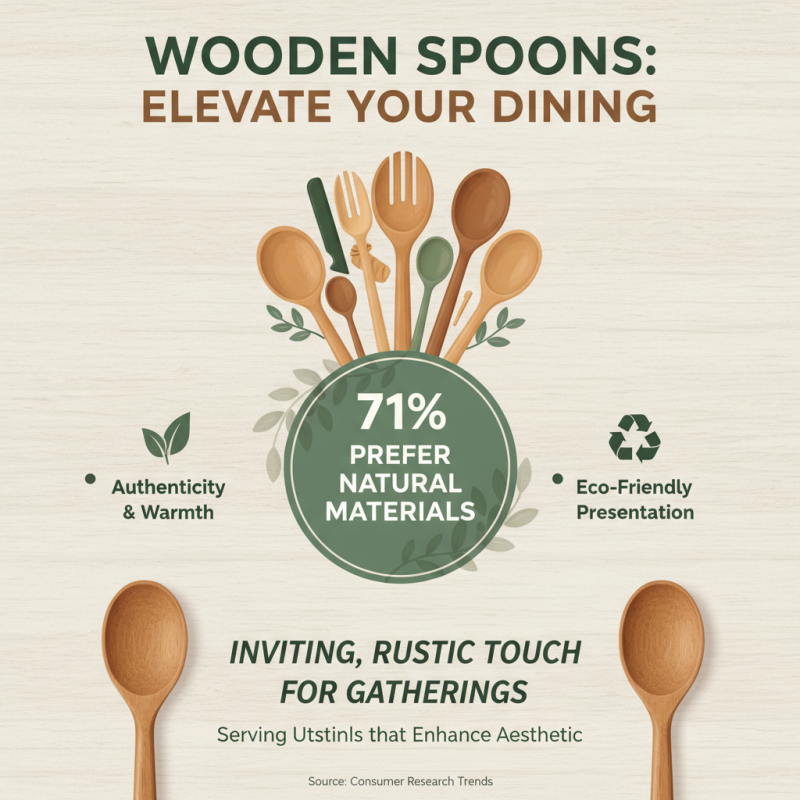
Wooden spoons are not just kitchen tools; they can elevate your dining experience. Research shows that 71% of consumers prefer natural materials in their kitchenware. This trend reflects a desire for authenticity and warmth in presentation. Use wooden spoons as serving utensils at gatherings for an inviting, rustic touch. They can enhance the aesthetic while keeping everything eco-friendly.
Consider incorporating wooden spoons into your table settings. Place a spoon next to each dish for a creative presentation. Imagine a vibrant salad showcased in a wooden bowl, accompanied by a handcrafted spoon. This invites guests to serve themselves, fostering an interactive dining atmosphere.
Experiment with different sizes and styles of wooden spoons for a unique look. Some spoons might have imperfections; these add character. People appreciate the handmade touch. This also serves as a great conversation starter. On the flip side, consider the maintenance. Wooden spoons require regular oiling to prevent cracking. This can be a tedious task but worthwhile for durability. Balancing aesthetics and function can be challenging but rewarding.
Cleaning and Sanitizing Wooden Spoons Safely
Cleaning and sanitizing wooden spoons is essential for kitchen hygiene. Unlike metal or plastic, wood has unique properties. It can absorb moisture and retain odors. This means improper cleaning can lead to bacteria growth. Make sure to clean your wooden spoons right after use. Rinse them under warm water to remove food particles.
After rinsing, use mild soap for a thorough wash. Avoid soaking them in water, as it can warp the wood. Instead, wipe them down with a damp cloth. To sanitize, a mixture of vinegar and water works well. Spray or soak for a few minutes before rinsing. This helps eliminate any lingering germs.
Let your spoons air dry completely. Don't place them in the dishwasher. It can cause damage and shorten their lifespan. Once dry, consider applying mineral oil. It can help keep the wood moisturized. Reflect on the care your wooden spoons need. Each time they are maintained, they can serve you better.
The Ultimate Guide to Tableware Wooden Spoons Tips for Use - Cleaning and Sanitizing Wooden Spoons Safely
| Tip |
Description |
Frequency |
SANITIZING METHOD |
| Avoid Soaking |
Do not soak wooden spoons in water to prevent warping and cracking. |
Every Use |
N/A |
| Hand Wash Only |
Clean with soap and water; avoid dishwasher. |
After Each Use |
N/A |
| Sanitize with Vinegar |
Use white vinegar as a natural disinfectant. |
Weekly |
Soak in vinegar solution for 5 mins. |
| Oil Regularly |
Condition with mineral oil to prevent drying. |
Monthly |
Apply food-safe mineral oil. |
| Inspect for Damage |
Check for cracks or rough surfaces; discard if damaged. |
Before Use |
N/A |
Sustainable Practices: Why Wooden Spoons Are Eco-Friendly Choices
Wooden spoons are gaining popularity in kitchens for their eco-friendly features. A report from the Sustainable Tableware Association highlights that wooden utensils contribute to reducing plastic waste. Each year, millions of plastic spoons end up in landfills. Wooden spoons, however, are biodegradable and offer a sustainable alternative. They decompose naturally, returning nutrients to the soil, unlike plastic which can take centuries to break down.
Moreover, bamboo, as a material for tableware, is particularly appealing. A 2022 study by Eco Research Institute found that bamboo can grow up to 39 inches in just 24 hours. This rapid growth rate makes bamboo one of the fastest-growing plants on Earth. For those considering sustainable choices, "Wholesale Bamboo Tableware" offers a variety of options. Each choice reflects a commitment to the environment, but some may feel conflicted about durability. While wooden spoons are sturdy, they can wear down over time if not properly cared for.
The charm of wooden spoons lies in their unique textures and finishes. Each spoon carries its character based on the grain. Some users may find this appealing; others may seek a uniform look that plastic can provide. Balancing aesthetics with sustainability can lead to choices that sometimes feel imperfect. Embracing wooden spoons encourages mindfulness about our consumption habits and the ecological footprint we leave behind.
The Impact of Material Choices on Sustainability
FAQS
: The content discusses general guidelines on product selection and usage. It emphasizes quality and safety for users.
Look for reviews and user feedback. Check certifications. A high-quality product typically has positive ratings.
Yes, always follow the instructions provided. Misuse can lead to issues or dissatisfaction with the product.
Contact customer service or seek guidance from online forums. Sharing experiences can lead to helpful solutions.
Personal research is crucial. It helps you understand your options and make informed decisions.
Not all recommendations are reliable. Consider the source and gather diverse opinions before deciding.
It's okay to start without experience. Ask questions and seek advice from knowledgeable individuals.
Reflect on past experiences. Learn from mistakes to enhance future decisions and selections.
Yes, there is always some risk. Evaluate potential drawbacks versus the benefits before trying something new.
Feedback is vital. It provides insights that can shape your understanding and influence your choices significantly.
Conclusion
Wooden spoons are an essential tool in the realm of tableware, offering numerous benefits for both cooking and serving. Their natural properties make them gentle on cookware, ideal for a variety of culinary tasks. Choosing the right wooden spoon is crucial; factors such as size, shape, and wood type can enhance your cooking experience. Proper care is essential to extend the life of these utensils; regular maintenance and avoidance of common mistakes, such as soaking or using harsh detergents, can prevent damage.
In addition to their practical uses, wooden spoons can be creatively integrated into serving presentations, adding a rustic charm to the dining table. Ensuring clean and sanitized wooden spoons is vital for food safety, so methods like hand washing with mild soap are recommended. Lastly, wooden spoons are an eco-friendly choice, contributing to sustainable practices in the kitchen, thanks to their biodegradable nature and the renewable resources they come from. Embracing tableware wooden spoons not only enhances your culinary endeavors but also supports environmentally responsible choices.