Leave Your Message
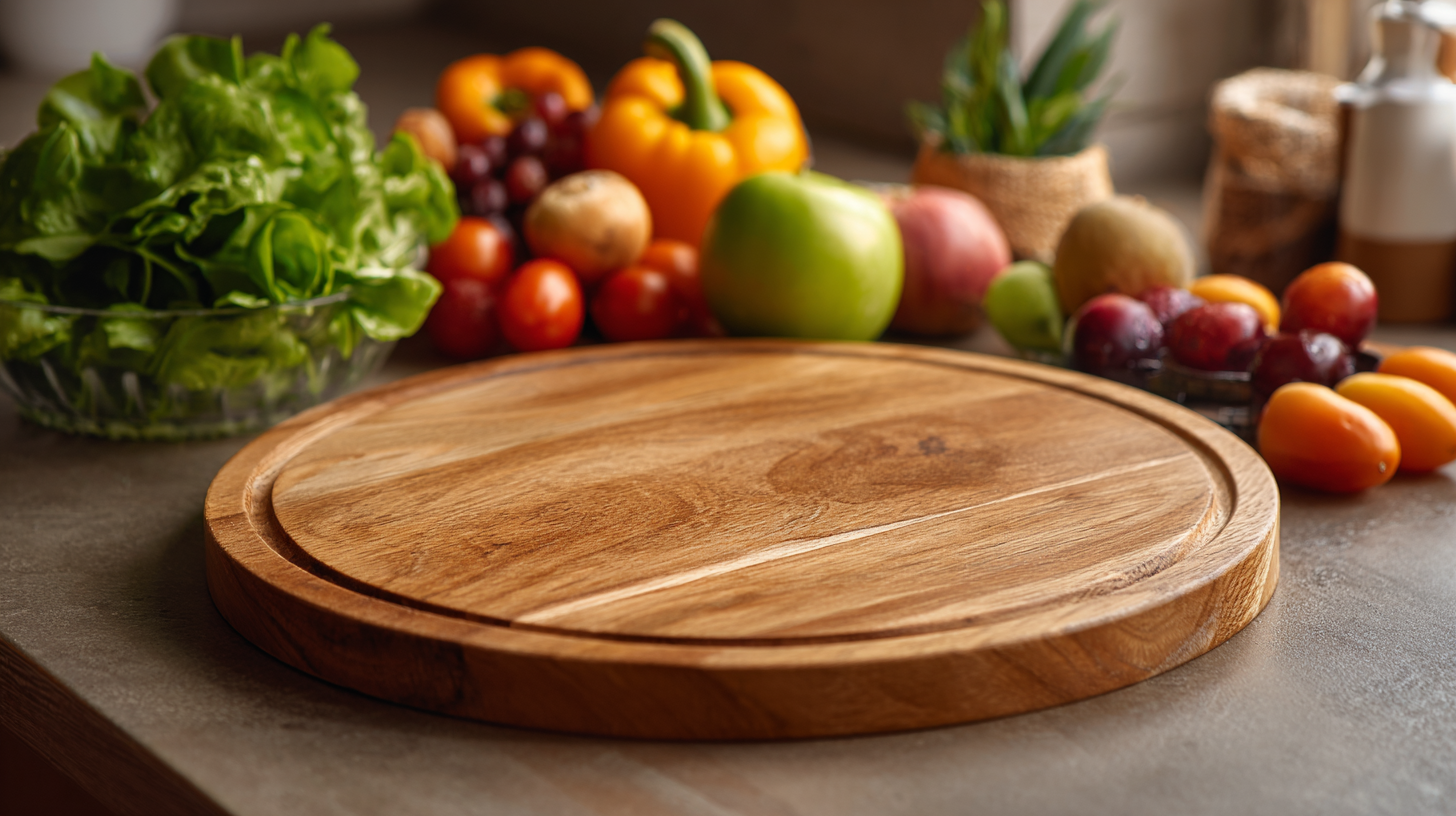
You know, in the ever-growing world of kitchen tools, the Round Wood Chopping Board has really become a go-to for both home cooks and professional chefs. I’ve come across some recent reports that say the global wooden kitchenware market is expected to hit around $2.5 billion by 2026 — pretty impressive, right? It just shows how much folks are craving high-quality, eco-friendly cookware nowadays.
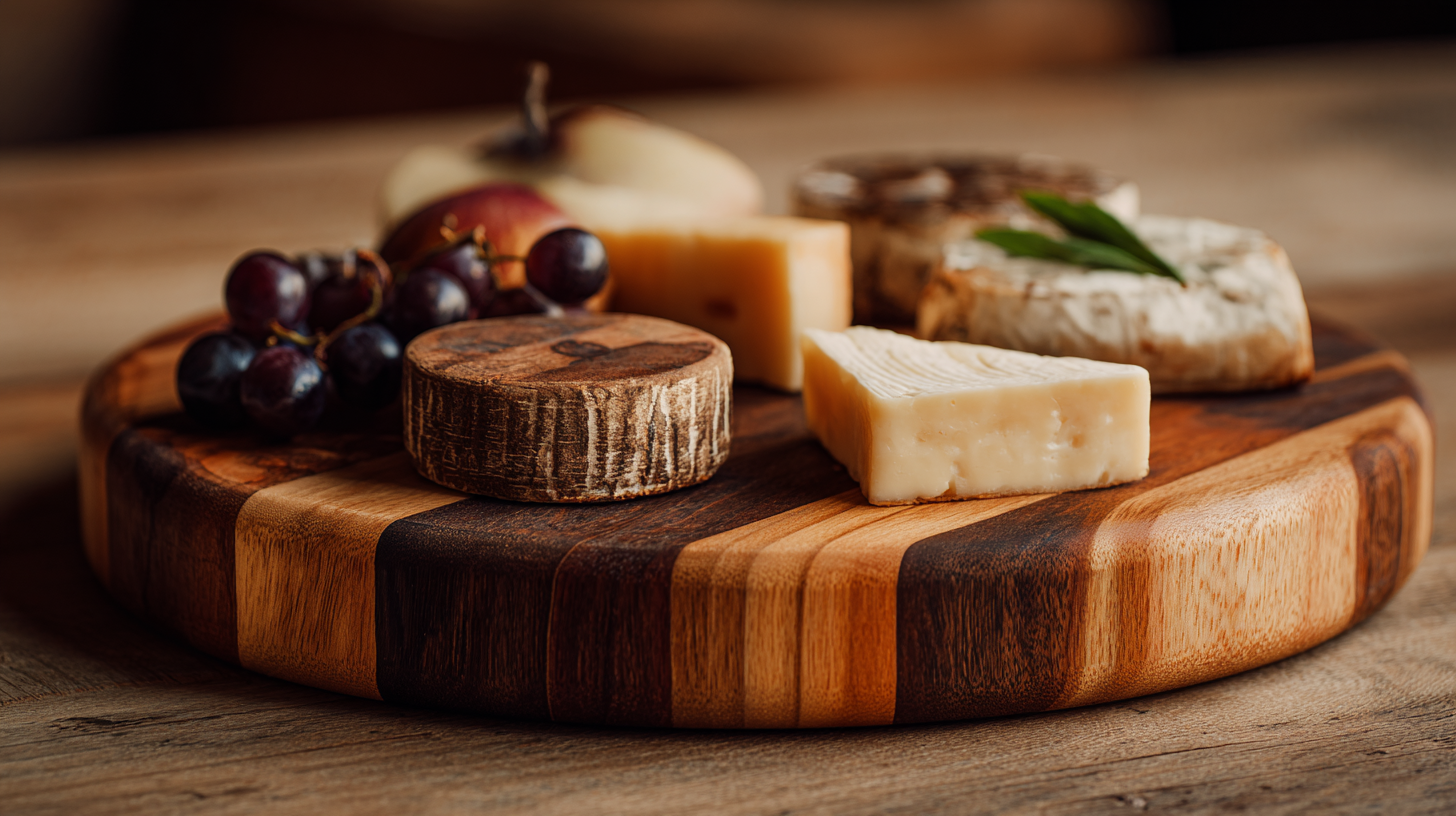
As a trusted player in this space, Jiangxi Tianzhu Arts & Crafts Co., Ltd. has been blending craftsmanship with creative designs since 2008. Based in Anfu County, Ji'an City, in Jiangxi Province, we focus on making sturdy, stylish chopping boards that make cooking feel even more special. Picking a good Round Wood Chopping Board isn’t just about looks — it can really upgrade your kitchen’s vibe and last you ages. If you’re serious about cooking, it’s pretty much a must-have.
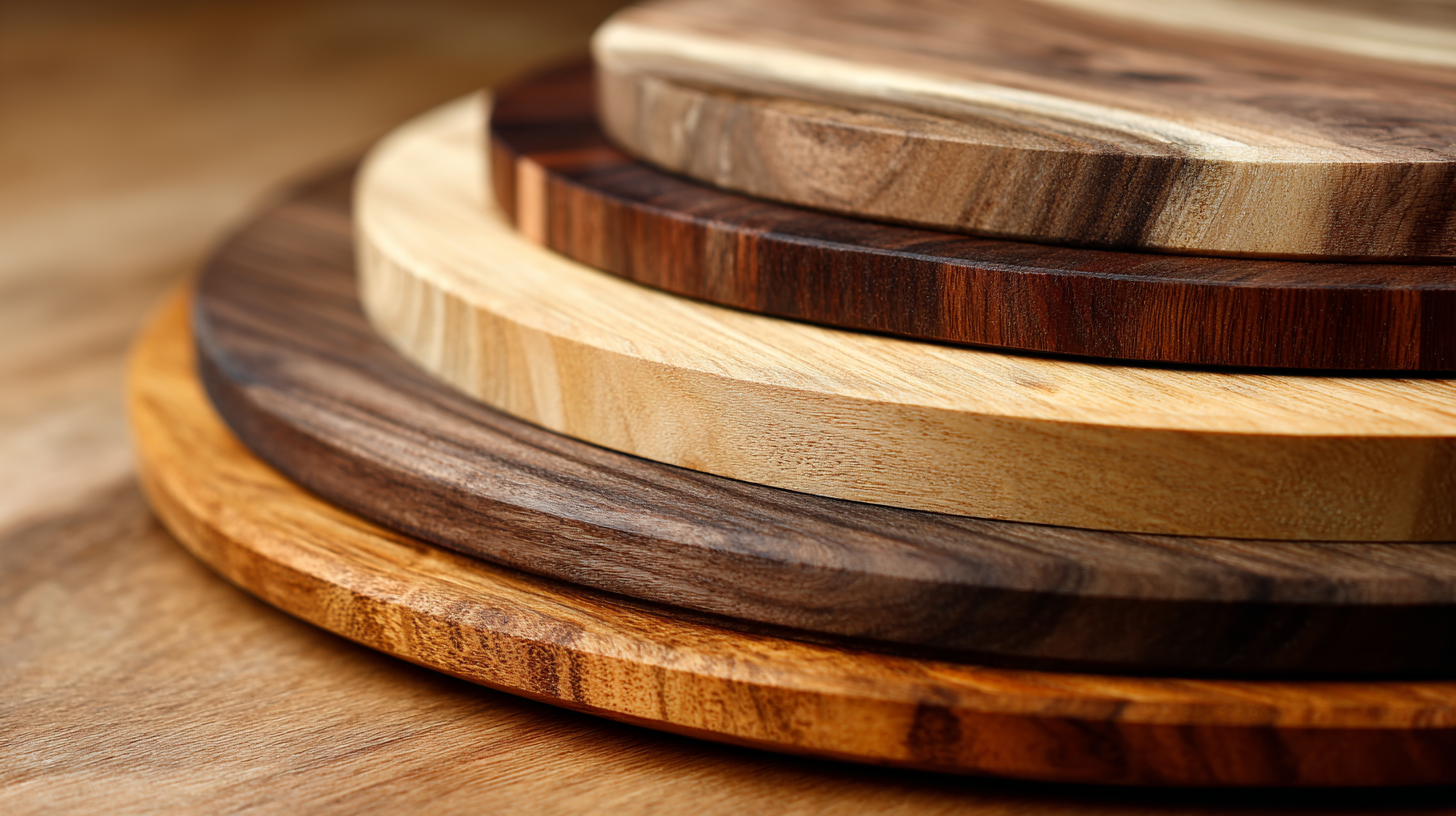
When you're on the lookout for a round wooden chopping board, the type of wood you choose really matters. Hardwoods like maple, walnut, and cherry are pretty much favorites because they’re super durable and don’t wear down easily. Unlike softer woods that can get gouged or hold onto bacteria more easily, hardwoods have a tight grain structure, making them less likely to soak up moisture or bits of food. That means your cutting surface stays cleaner longer, and your board’s gonna last way longer too.
And honestly, it’s not just about practicality — hardwoods also look great. Their rich colors and eye-catching grain patterns can really give your kitchen a bit of extra style, turning a simple chopping board into something that catches the eye. If you take care of it—like, oil it regularly and give it a good clean—it can develop this beautiful patina over time, adding a bit of character and charm to your space. So, picking a hardwood board isn’t just a smart move for function — it’s also a stylish choice that’ll elevate your cooking area.
In the quest for maximizing space efficiency, the 2023 furniture market has unveiled innovative storage solutions that align perfectly with contemporary office needs. One standout product that embodies these insights is a beautifully designed office storage box, specifically crafted to enhance desktop organization. This storage box not only provides a practical solution for managing office supplies but also elevates the aesthetic of the workspace. With its integration of solid wood and wheels, it seamlessly blends functionality with style, allowing users to keep their environments tidy while maintaining a professional appearance.
The design of this storage box focuses on reasonable organization, making it easier for users to access their essential items without cluttering their desktops. Its mobility, provided by the clever use of wheels, ensures that it can be repositioned effortlessly, adapting to various work scenarios. This feature is particularly beneficial in dynamic office settings where flexibility and efficiency are paramount. By adopting such a storage solution, businesses can maximize their workspace while fostering an environment that encourages productivity and creativity among employees.
As the furniture market continues to evolve, embracing solutions that prioritize both design and functionality is key. Solid wood storage solutions, like the office storage box highlighted here, remind us that effective organization does not have to compromise on style. Instead, these innovations demonstrate how thoughtful design can contribute to a more efficient and pleasant workspace.
: The type of wood is crucial as hardwoods like maple, walnut, and cherry are more durable and resistant to wear than softer woods, which can easily be gouged and absorb moisture and bacteria.
Hardwoods have rich colors and beautiful grain patterns that can enhance the décor of a kitchen, making the chopping board not just functional but also a stylish statement piece.
To maintain hardwood chopping boards, it's important to regularly oil and clean them. This helps develop a stunning patina over time and extends the lifespan of the board.
Surface treatments are important for hygiene and longevity. Natural oils like mineral oil penetrate the wood to protect moisture, while finishes like varnish may chip and expose raw wood to bacteria.
Keeping a chopping board hygienic involves washing it with mild soap and water, regularly re-oiling it, and using natural oils and waxes for surface treatments.
The weight of a chopping board influences its stability during use; heavier boards tend to stay in place better while chopping, though it’s important to choose a weight that also feels comfortable for the user.
Varnish finishes can chip away over time, potentially exposing raw wood that is more susceptible to bacteria, making them less suitable for food safety compared to natural oils.
While a heavier chopping board offers stability, it should not be so heavy that it causes fatigue during use or makes storage difficult; finding a comfortable weight is key.
Regular oiling keeps the wood hydrated and prevents cracking, which is essential for maintaining a clean and safe surface for food preparation.
The best approach for finishing a chopping board is to use natural oils and waxes, as they enhance the wood's beauty and ensure it remains safe for food preparation.
When you're on the hunt for that perfect round wooden chopping board, it’s pretty important to get a good grasp of the different types of wood out there. Hardwoods are usually the way to go—they’re super durable and tend to hold up well against the daily grind in the kitchen, so they’re often the preferred choice. Oh, and don’t forget about thickness! A thicker board isn’t just sturdier; it’s safer too. It can handle heavy chopping without warping or cracking, which is a big plus.
Another thing to keep in mind is the surface finish. Some treatments not only make the board look nice but also boost its hygiene and make cleaning a lot easier. When picking the size, think about your kitchen space and what you usually cook—you don’t want something too tiny or too bulky. And, of course, weight matters. A heavier board tends to stay put during use, making your prep work way less annoying.
Here at Jiangxi Tianzhu Arts & Crafts Co., Ltd., we’re all about making high-quality bamboo products. So rest assured, our round wood chopping boards tick all these boxes—looking great, feeling sturdy, and being super practical for your culinary adventures.