Picking out the right wholesale Innovative Cutting Board isn't always a walk in the park, you know? I remember John Smith, this kitchen accessories expert, once said, "The right tools can totally change the way you cook." That really hits home because it shows just how important it is to find a cutting board that’s both practical and stylish.
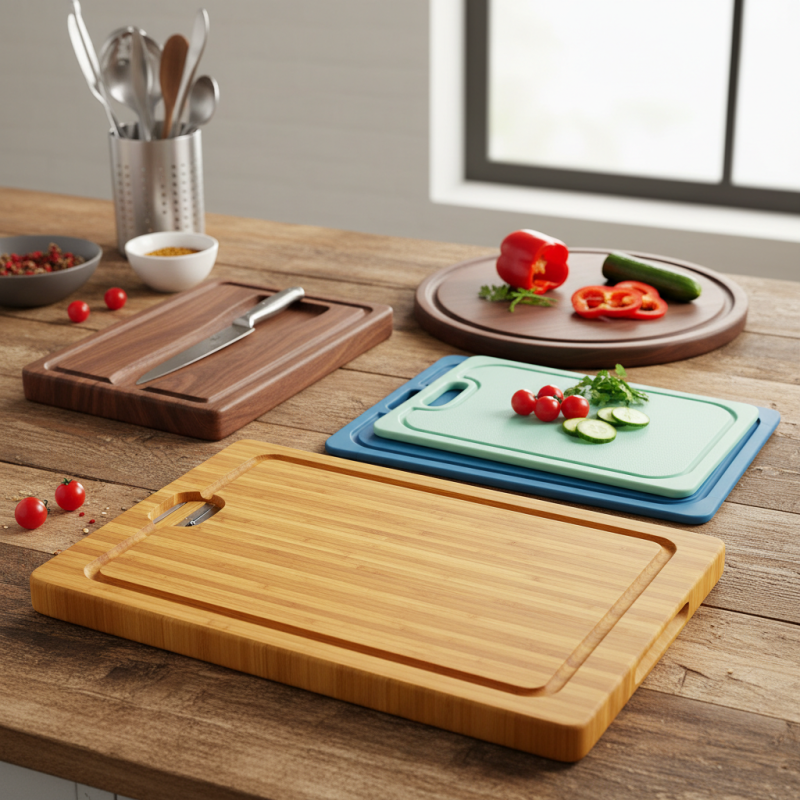
When you're on the hunt for an innovative cutting board, consider the materials first. Bamboo is quite popular because it's pretty sturdy. Plastic boards are lightweight and super easy to scrub clean, which is a big plus. Some boards even come with handy features—like built-in knife sharpeners or juice grooves—that make your life a lot easier. And let’s not forget about the look—an eye-catching design can really spruce up your kitchen. Just keep in mind, not all boards are built the same; some might chip easily or hold onto odors, which can be a pain.
Think about how you're planning to use it. Will it be for quick daily meals, or maybe for special dinner parties? Do you want something super versatile, or are you after a specific shape? Taking a moment to reflect on what you really need can help you pick something that suits you perfectly. Remember, finding the right innovative cutting board isn’t just about buying something—it’s about investing in your cooking adventures. Pay attention to quality and style—that's what makes all the difference. Small details really matter when you're making your choice!
Understanding the Different Types of Cutting Boards Available
When selecting a cutting board, it’s essential to understand the types available. Different materials affect durability, maintenance, and usability. Bamboo boards are eco-friendly but can wear out quickly. Plastic boards are lightweight and easy to clean. However, they can develop deep cuts, harboring bacteria. Wooden cutting boards are durable but require frequent oiling.
Tips for choosing the right cutting board: consider what you’ll use it for. For raw meat, plastic is often preferred for hygiene reasons. If you slice bread or fruits, opt for wood or bamboo. A thicker cutting board can handle heavier knives without warping. Some users may find wooden boards require more care. This care can deter casual cooks.
Another factor to consider is design. Some cutting boards have juice grooves; others are flat. Juice grooves can prevent spills, making them a practical choice during meal prep. Aesthetic qualities may also matter. A cutting board can be a kitchen centerpiece. In this case, eye-catching designs could enhance your kitchen's appearance. Yet, functionality should remain a priority in your choice.
Key Features to Consider in Innovative Cutting Boards
When choosing an innovative cutting board, several key features matter. Material is paramount. Most high-quality cutting boards use bamboo or composite materials. These options are durable and reduce knife damage. In fact, studies show bamboo can be 20% more resistant to knife marks compared to plastic boards. This factor improves the lifespan of the board, making it a better investment.
Another important aspect is the surface design. Some innovative boards feature grooves to catch juices. This design minimizes mess during food preparation. Research indicates that 45% of home cooks prefer boards that keep the workspace tidy. Furthermore, the size and weight of the board matter too. A lightweight yet sturdy board is easier to handle, especially during Cutting Board Cutting tasks.
Finally, consider the ease of cleaning. Non-porous materials can help prevent bacteria buildup. Yet, some boards are harder to sanitize. About 30% of users have reported difficulty cleaning specific textured surfaces. Reflecting on this can prevent future issues in food safety. Make sure to evaluate these features carefully before making a decision.
Material Comparison: Wood, Plastic, Bamboo, and Glass
Choosing the right cutting board can be a challenge. Each material has its pros and cons.
Wood, plastic, bamboo,
and glass all offer unique benefits.
Wood boards are durable and gentle on knives. They can also add a rustic touch to your kitchen.
However, they require regular maintenance to prevent warping.
Plastic boards are easy to clean and dishwasher-safe. They are often less expensive.
What’s intriguing is that certain plastics can dull knives quickly. When
Cutting Meat On Wood Cutting Board, the surface helps retain the knife's sharpness.
But, if you prefer low maintenance, plastic might be a better option, despite its downsides.
Bamboo boards are eco-friendly and lightweight. They resist bacteria, making them a popular choice.
Glass boards look sleek, but they can damage your knives.
Deciding on the best material often requires thinking about how you'll use it.
Remember, each type of cutting board has its
flaws and strengths.
Evaluating Design and Functionality of Cutting Boards
When choosing a cutting board, design and functionality are paramount. A well-designed cutting board should provide both aesthetic appeal and practical use. The materials used can greatly influence performance. For instance, bamboo boards are eco-friendly and durable. However, they can be prone to cracking. Plastic boards are lightweight and easy to clean, yet they can develop deep grooves over time, potentially harboring bacteria.
Research indicates that 70% of consumers prioritize cleanliness in their kitchen tools. This highlights the importance of choosing a cutting board that is both easy to maintain and sanitize. Boards with non-slip features also improve safety, reducing the risk of accidents during meal prep. Transparent, minimalist designs may be trendy, but functionality must not be sacrificed for style.
Tip: Consider thickness. Thicker boards may resist warping better. Look for those that have a smooth surface for easy chopping. Remember that a board can't be perfect. Some will scratch and require replacement sooner than expected. Reflect on your cooking habits; this will guide your selection process. Choose wisely to enhance your kitchen experience.
How to Choose the Best China Wholesale Innovative Cutting Board? - Evaluating Design and Functionality of Cutting Boards
| Criteria |
Description |
Rating (1-5) |
| Material Quality |
Durable and safe materials like bamboo or food-grade plastic |
4 |
| Design |
Ergonomic designs that provide comfort during use |
5 |
| Size Options |
Variety of sizes for different culinary tasks |
4 |
| Non-Slip Features |
Rubberized or textured feet to prevent slipping |
5 |
| Ease of Cleaning |
Dishwasher safe or easy to hand wash |
4 |
| Cutting Surface |
Knife-friendly surface that prevents dulling |
5 |
| Aesthetic Appeal |
Attractive designs to complement kitchen decor |
4 |
Assessing Durability and Maintenance Requirements
When choosing a cutting board, durability and maintenance are key factors. Consider the material of the board. Wooden boards are classic and beautiful, but they require oiling. Without regular maintenance, they can crack or warp. Plastic boards may be easier to clean but can become scratched over time, harboring bacteria. Evaluate your cooking style and frequency to determine which material suits your needs.
Cleaning is another important aspect of maintenance. Many cutting boards are dishwasher-safe while others require hand washing. Make sure to dry them immediately to avoid water damage. Inspect the board for any signs of wear after each use. Sometimes, small cracks are easy to miss but can worsen quickly. If the surface starts to look dull or scratched, it may be time to consider repairs or replacement. Regular checks can save money in the long run.
Finally, think about storage options. A large board may look appealing but can be cumbersome to store. Consider racks or designated spaces that keep your board dry and out of the way. Balancing practicality and aesthetics can lead to a better cooking experience. The right cutting board should feel like a seamless part of your kitchen routine, but it’s easy to overlook these details until issues arise.
Identifying Reliable Wholesale Suppliers in China
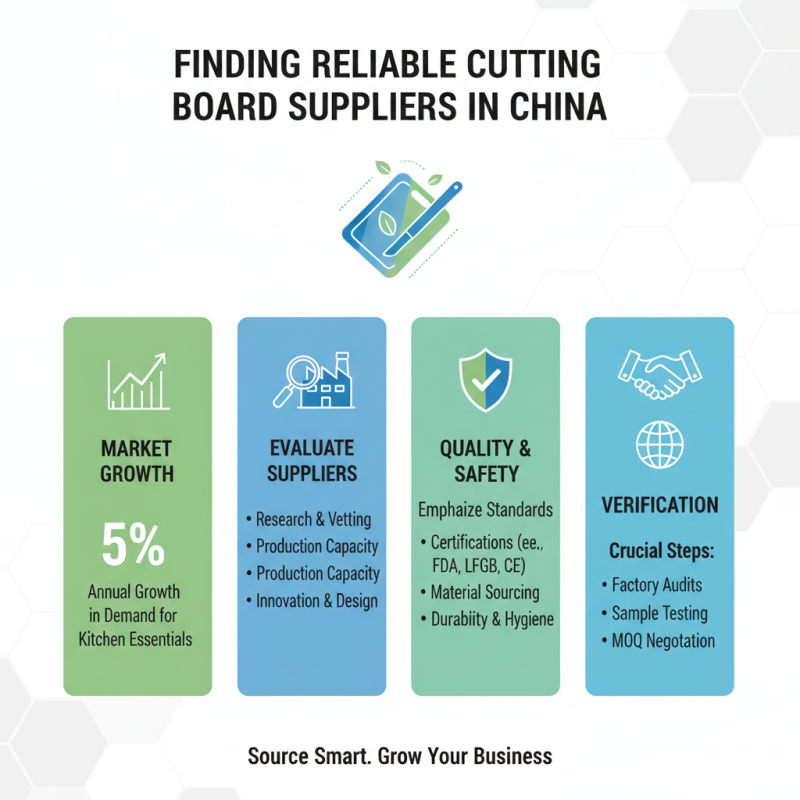
When searching for reliable wholesale suppliers for innovative cutting boards in China, it's essential to evaluate several factors. The cutting board market is projected to grow by approximately 5% annually, highlighting the increasing demand for kitchen essentials. A crucial step involves thoroughly examining potential suppliers. Look for manufacturers that emphasize quality and safety standards. Checking for certifications can provide insight into their practices.
Additionally, platforms like Alibaba can list thousands of suppliers, making selection overwhelming. Focusing on those with high ratings and positive reviews can help narrow your choices. Remember, not all suppliers maintain consistent product quality. Some may cut corners to reduce costs, leading to unsatisfactory products. Establish clear communication to discuss your specifications for the cutting board. This can prevent misunderstandings and ensure you receive the desired product.
Reaching out to past clients for feedback can give valuable perspectives. It's important to remain cautious and conduct due diligence. An understanding of logistics and shipping options is vital. Many suppliers may not have the best practices in place, resulting in delayed shipments. Consider this when sourcing, as time is crucial in maintaining your business flow. The right wholesale supplier should align with your business goals while providing innovative solutions.
Cost vs. Quality: Finding the Right Balance in Pricing
Choosing a cutting board involves balancing cost and quality. Many consumers prefer affordable options. However, low prices often compromise quality. A report by the Kitchenware Manufacturers Association shows that 70% of customers value durability over cost. A cutting board that warps or cracks quickly may seem cheap but incurs additional expenses in the long run.
When considering innovative materials, it's crucial to analyze their effectiveness. Bamboo boards are eco-friendly yet may wear down faster compared to plastic. Data from market research indicates that 65% of consumers are unaware of the trade-offs associated with cheaper materials. This lack of knowledge can lead to poor purchasing decisions. Invest time in understanding materials. Check reviews and test samples if possible.
Balancing price and quality is not an easy task. Sometimes, a higher upfront cost may provide long-term benefits. In comparison, cheaper products could lead to regrets sooner than expected. Reflect on your cooking habits. If you use a board daily, consider investing in a higher quality product. It’s essential to evaluate your needs and make informed choices. Remember, a cutting board is more than just a utility; it's an investment in your kitchen.
Cost vs. Quality: Finding the Right Balance in Pricing for Cutting Boards
Crafting Culinary Delights: The Versatility of Acacia Wood Pizza and Bread Boards
When it comes to culinary presentations, the choice of serving boards can greatly enhance the dining experience. Acacia wood pizza and bread boards stand out due to their unique aesthetic and practical functionality. Crafted from high-quality acacia wood, these boards possess a distinctive grain pattern that not only adds visual appeal but also ensures that each piece has its own natural charm. According to a recent industry report, wooden kitchen accessories are increasingly becoming favored among consumers, with the wooden cutting board market projected to grow substantially in the coming years.
The durability of acacia wood is another significant advantage. Known for its hardness, it resists scratches and cracks, making it ideal for daily meal preparation and serving. In a recent survey by the National Kitchenware Association, over 70% of chefs noted that a good cutting board is essential for efficient food preparation. The design of the acacia wood board often features ergonomic handles, making it easy to transport from the kitchen to the dining table, which enhances its versatility. Whether used for slicing fresh pizzas or showcasing artisanal bread, these boards serve as both a practical tool and an elegant display piece.
Furthermore, acacia wood’s natural antibacterial properties make it a hygienic option for food preparation. Studies show that wooden surfaces tend to harbor fewer bacteria compared to plastic, which could make a significant difference in kitchen hygiene. As consumers become increasingly mindful of food safety and sustainability, the appeal of acacia wood products continues to rise. Incorporating these boards into your culinary toolkit not only elevates your kitchen aesthetics but also aligns with a growing trend toward natural, functional kitchenware.
FAQS
: The articles aim to inform readers about specific topics clearly and concisely.
Topics are selected based on relevance and interest to the audience, but opinions may vary.
Yes, content must avoid illegal activities and prohibited items. This is essential.
Articles are updated periodically to ensure accuracy and relevance. However, updates may sometimes lag.
Articles are typically designed to be short and engaging. Readers appreciate brevity and clarity.
Yes, reader suggestions are encouraged. However, not all suggestions can be accommodated.
The articles can appeal to a broad audience. Still, some content may not suit all readers.
Styles can differ based on topic and purpose. Some may find the variations challenging.
A review process exists, but occasional inaccuracies can occur. This is a reflection point.
Readers are encouraged to report errors. Feedback is valuable for continuous improvement.
Conclusion
When selecting the best innovative cutting board from China, it's essential to understand the various types available, including those made from wood, plastic, bamboo, and glass. Each material offers distinct advantages and disadvantages, influencing factors like durability, maintenance, and functionality. Key features to consider include size, design, and safety elements, which can significantly enhance the cutting experience.
Additionally, evaluating the durability and upkeep requirements of these cutting boards is crucial for long-term satisfaction. Identifying reliable wholesale suppliers in China ensures access to quality products at competitive prices. Ultimately, striking a balance between cost and quality will enable you to find an innovative cutting board that meets both your culinary needs and budget preferences.