When you're trying to whip up fresh, vibrant fruit dishes, having the right tools can honestly make a big difference. One thing I always recommend in the kitchen is a good quality fruit cutting board. Not only does it make your fruit look way better, but it also makes slicing safer and easier—no more slipping or uneven cuts. In this guide, we're going to dive into all things fruit cutting boards—how to pick the best one, what materials work best, and tips to master your slicing skills. Trust me, once you get the hang of it, you'll be cutting fruit like a pro every single time.
Choosing the right cutting board for your needs is super important. Whether you’re into wooden boards for that nice look, or plastic ones that are easier to clean, every material has its perks. Knowing what works best for you and how to care for your board will help it last longer and stay looking fresh. Once you’ve got your perfect board, you’ll start to see how fun and satisfying it is to slice up perfect pieces of fruit—making your dishes looks pretty and taste even better.
So, come along as we explore the ins and outs of preparing fruit like a champ. With some practical tips and tricks focused on fruit cutting boards, you’ll be able to impress your family and friends with gorgeous fruit platters and yummy fruit-based treats. Get ready to level up your kitchen game and get excited about all the colorful, juicy fruits waiting to be at the center of your next meal!
Essential Features of an Ideal Fruit Cutting Board
When selecting an ideal fruit cutting board, several essential features come into play to ensure a smooth and efficient slicing experience. According to a recent report by the National Sanitation Foundation (NSF), plastic cutting boards are found to be less porous than wooden ones, making them easier to clean and less likely to harbor bacteria. This is particularly important for fruit preparation, as fruits can carry pesticides and contaminants. A non-porous surface allows for easier sanitation, promoting a healthier cooking environment.
Durability is another key factor. The USDA states that proper care of cutting boards can significantly extend their lifespan. A cutting board should resist warping, scratching, and staining, which can compromise food safety and cutting effectiveness. Wood species such as maple and bamboo are not only aesthetically pleasing but also resilient, providing a sturdy surface that can withstand repeated use without compromising blade sharpness or performance.
Finally, size and weight play a vital role in usability. An ideal fruit cutting board should be large enough to accommodate various fruits while remaining easy to maneuver. Reports indicate that boards with dimensions around 18x12 inches provide ample space for slicing larger fruits like watermelons or pineapples while still being manageable for everyday use. A heavier board also offers stability during cutting, reducing the risk of slips and enhancing overall safety in the kitchen.
Fruit Cutting Board Features Comparison
Choosing the Right Material for Your Fruit Cutting Board
When it comes to choosing the right material for your fruit cutting board, several options are available, each with its own set of advantages and disadvantages. Wood is a popular choice, as it is gentle on knives and has natural antibacterial properties. Hardwood cutting boards, such as maple or walnut, can endure heavy use while providing a classic aesthetic. However, they require more maintenance and should be regularly oiled to prevent cracking and warping.
Plastic cutting boards are another common option, particularly in kitchens where sanitation is a top priority. They are easy to clean, dishwasher safe, and come in various colors, allowing for color-coded cutting boards to avoid cross-contamination. However, they can develop deep grooves over time from knife marks, which may harbor bacteria if not properly cared for. For those looking for a more sustainable choice, bamboo is an excellent alternative. It's both durable and eco-friendly, but like wood, it should be treated to maintain its quality. Ultimately, selecting the right material depends on your cutting habits, maintenance willingness, and aesthetic preferences.
Maintaining and Cleaning Your Fruit Cutting Board Effectively
Maintaining and cleaning your fruit cutting board effectively is crucial not only for hygiene but also for prolonging the life of the board. According to the Foodborne Illness Outbreaks Report published by the CDC, improper cleaning of cutting boards can lead to cross-contamination, spreading harmful bacteria such as Salmonella and E. coli. Experts recommend using a mixture of warm water and mild dish soap to clean the board after each use. For wooden boards, avoid soaking them in water; instead, wipe them down and occasionally apply mineral oil to maintain their surface integrity.
In addition to regular cleaning, proper sanitation is vital. The USDA suggests using a solution of 1 tablespoon of unscented liquid chlorine bleach in 1 gallon of water to sanitize cutting boards. This method is effective against most pathogens, but it’s important to rinse thoroughly afterward to ensure no residue remains. Moreover, it's advisable to designate specific cutting boards for different food types—fruits, vegetables, and meats—to minimize the risk of contamination. According to a survey by the International Food Safety Network, over 70% of consumers do not regularly practice this approach, highlighting a significant area for improvement in kitchen hygiene practices.
Techniques for Safely Slicing Different Types of Fruit
When it comes to slicing fruit, mastering the right techniques can elevate your culinary skills and enhance your presentation. Different fruits require distinct approaches to ensure both safety and efficiency. For instance, when cutting soft fruits like peaches or tomatoes, it's recommended to use a serrated knife, as it allows for cleaner cuts without squashing the flesh. According to a study by the Journal of Culinary Science & Technology, using the correct knife significantly reduces food wastage by up to 20%.
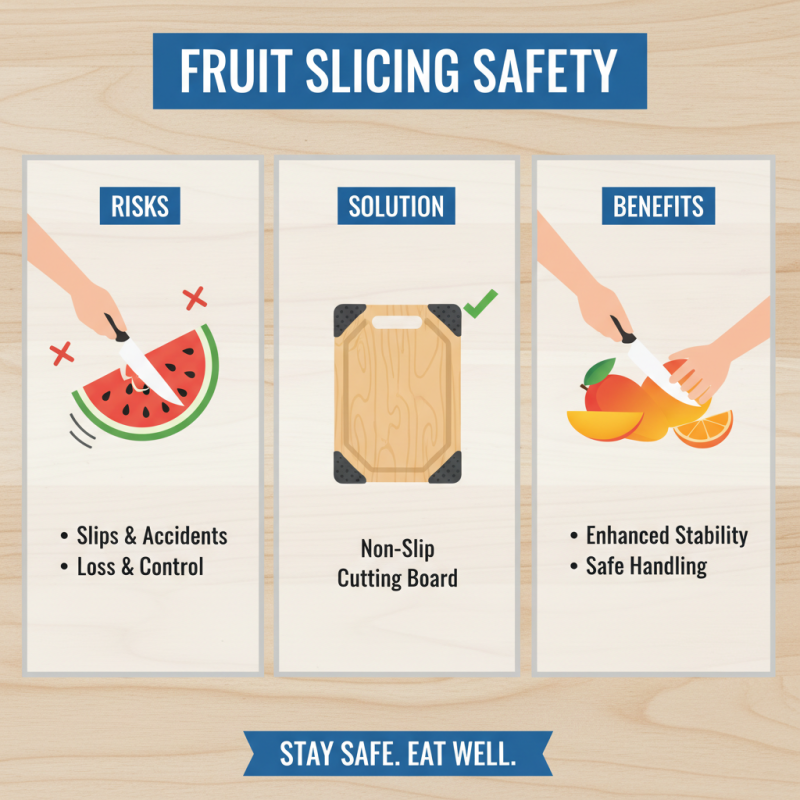
Another key technique involves the use of a stable cutting surface. Ensuring that your cutting board is secure can prevent accidents and injuries. Recent research from the National Safety Council highlights that improper cutting techniques contribute to nearly 40% of kitchen-related injuries. To secure your cutting board, place a damp cloth underneath it to prevent slipping.
Tips for safely slicing different types of fruit are essential for any home cook. For melons and other round fruits, it's best to slice them in half and create a stable base before further cutting. This method not only makes the process safer but also allows for more uniform slices. Additionally, always use a clean, sharp knife, as it ensures precision and reduces the risk of accidents caused by applying excessive force. By implementing these techniques, you can achieve perfectly sliced fruits every time, making your dishes visually appealing and delicious.
Tools and Knives That Enhance Fruit Cutting Efficiency
When it comes to slicing fruits efficiently, the right tools and knives can make all the difference. A good quality knife with a sharp blade is crucial for achieving clean, precise cuts. Look for knives with a comfortable grip that allows you to maintain control while cutting through various textures of fruits, from soft peaches to hard apples. Consider investing in paring knives and chef’s knives, as these versatile options can handle a wide range of fruit sizes and types.
In addition to knives, using the correct cutting board can enhance your slicing experience. Opt for boards made from materials that are gentle on your knife’s edge yet sturdy enough to withstand daily use. Bamboo and plastic boards are often preferred as they provide a non-slip surface and are easy to maintain. Furthermore, having a well-organized work area will keep your fruit and tools within easy reach, allowing for a smoother cutting process. Incorporating these tools and techniques into your fruit preparation routine will not only save time but will also elevate your culinary skills.
Tips for Preventing Slips and Accidents While Cutting Fruit
When it comes to slicing fruit, safety should always be a top priority. Slips and accidents can easily occur if you’re not careful. One effective way to prevent these mishaps is by using a non-slip cutting board. Look for boards made from materials that provide a good grip on countertops. Many cutting boards have rubberized edges or underside grips that keep them stable while you work. This stability is crucial when you’re handling slippery fruits like melons or citrus, ensuring you maintain control throughout the cutting process.
Another important tip is to ensure your knife is sharp. A dull knife requires more force to cut through fruit, increasing the likelihood of slipping. Additionally, always try to position your fruit securely on the board. For rounded fruits, consider cutting a small slice off one side to create a flat base. This not only stabilizes the fruit, making it less likely to roll away, but also allows for cleaner, easier slicing. Lastly, keep your hands dry to further reduce any chance of slipping while handling both the knife and the fruit. Implementing these practices will help make your fruit slicing experience safer and more enjoyable.
Creative Presentation Ideas for Serving Sliced Fruit
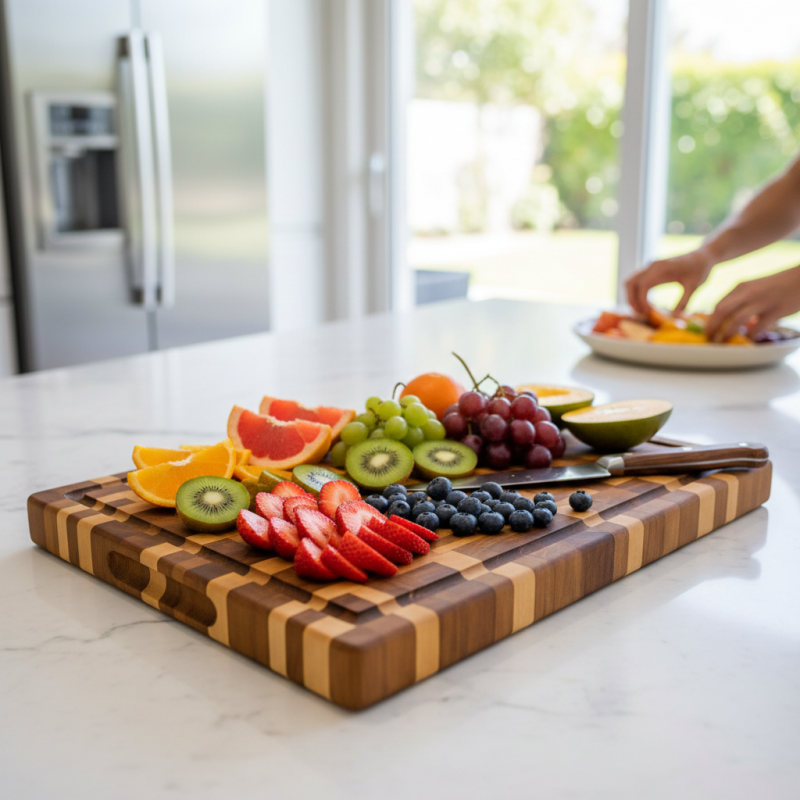
When it comes to serving sliced fruit, presentation can elevate even the simplest dish into a delightful experience. One creative idea is to craft a fruit platter that showcases a variety of colors and textures. Arrange slices of melons, berries, and citrus in a circular pattern, or create a rainbow effect for a visually striking display. Use creative cutting techniques, such as spirals or flower shapes, to add uniqueness. Raising the height of your presentation by stacking fruit or using tiered serving trays can also create an inviting and festive look.
To ensure perfect slicing every time, consider the following tips: always use a sharp knife, as a dull blade can crush the fruit rather than slice it cleanly. Additionally, try refrigerating your fruit before cutting; this can make it firmer and easier to handle. For added flavor and flair, drizzle a little honey or sprinkle some fresh mint over the sliced fruit just before serving. This not only enhances the taste but also adds to the visual appeal of your platter.
Don't shy away from incorporating garnishes like edible flowers or lime wedges that can complement the fruit and add an artistic touch. By combining these creative presentation ideas with effective cutting tips, you’ll impress your guests with beautifully arranged and perfectly sliced fruit displays.
Exploring the Benefits of Acacia Wood in Kitchenware: Insights from Recent Market Trends and Consumer Preferences
The kitchenware market has seen a significant shift towards more sustainable materials, with acacia wood emerging as a favored choice among both consumers and manufacturers. Acacia wood is not only renowned for its durability and resistance to moisture, but it also boasts a striking aesthetic appeal thanks to its rich, natural grain patterns. Recent market trends indicate that 65% of consumers prefer kitchenware made from eco-friendly materials, and acacia wood fits this criterion perfectly. Its ability to withstand daily wear and tear makes it an ideal option for kitchen accessories.
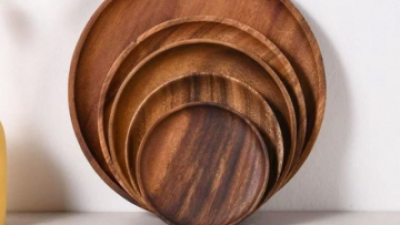
One standout product that exemplifies the benefits of acacia wood in kitchenware is a beautifully crafted wooden tray. Made from high-quality acacia, this tray features a dark brown wood grain with a natural and clear texture, making it a stylish addition to any dining table or home décor. Its versatile design allows for flexible usage, whether for serving food or displaying decorative items. The options for different sizes mean that these trays can be easily stacked for convenient storage, addressing the growing consumer demand for functional yet aesthetically pleasing kitchen essentials. According to a recent industry report, the demand for multifunctional kitchen products has increased by 30% in the past year, highlighting a shift towards practicality in purchasing decisions.
Furthermore, the warmth and natural charm that acacia wood brings to a kitchen setting cannot be overstated. With consumer preferences leaning towards products that enhance the ambiance of their homes, incorporating wooden kitchenware is a popular choice. The natural characteristics of acacia wood create an inviting atmosphere, appealing to those looking to make their dining experiences more enjoyable. As the market continues to evolve, products like the acacia wood tray will likely drive further interest in sustainable living and stylish home accessories.
FAQS
: Maintaining and cleaning a fruit cutting board is crucial for hygiene and prolonging the board's lifespan. Improper cleaning can lead to cross-contamination and spread harmful bacteria.
Experts recommend using a mixture of warm water and mild dish soap to clean the board after each use.
Wooden cutting boards should be wiped down rather than soaked in water. It's advisable to occasionally apply mineral oil to maintain their surface integrity.
A solution of 1 tablespoon of unscented liquid chlorine bleach in 1 gallon of water can be used to sanitize cutting boards. Make sure to rinse thoroughly afterward to remove any residue.
Yes, it is advisable to designate specific cutting boards for fruits, vegetables, and meats to minimize the risk of contamination.
Using a stable cutting surface is important. Placing a damp cloth underneath the cutting board can prevent slipping and accidents.
A serrated knife is recommended for cutting soft fruits like peaches and tomatoes, as it allows for cleaner cuts without squashing the fruit.
It is best to slice round fruits in half to create a stable base before further cutting, which enhances safety and allows for more uniform slices.
A clean, sharp knife ensures precision and reduces the risk of accidents that can occur from applying excessive force while cutting.
Nearly 40% of kitchen-related injuries are caused by improper cutting techniques, highlighting the importance of using safe methods.
Conclusion
In the quest for perfectly sliced fruit, selecting the right Fruit Cutting Boards is essential. An ideal cutting board should feature a sturdy construction, a non-slip surface, and enough space to accommodate various fruits. The choice of material—wood, bamboo, or plastic—can significantly impact the cutting experience, with each offering unique benefits in terms of durability and ease of cleaning.
Moreover, mastering techniques for cutting different types of fruit safely is crucial. Using the appropriate tools and knives can enhance efficiency, while tips for preventing slips and accidents will ensure a safe kitchen experience. Finally, creative presentation ideas can elevate the aesthetics of sliced fruit, making it a delightful addition to any meal. Armed with these insights, you'll be ready to make the most of your Fruit Cutting Boards and impress with your fruit slicing skills.