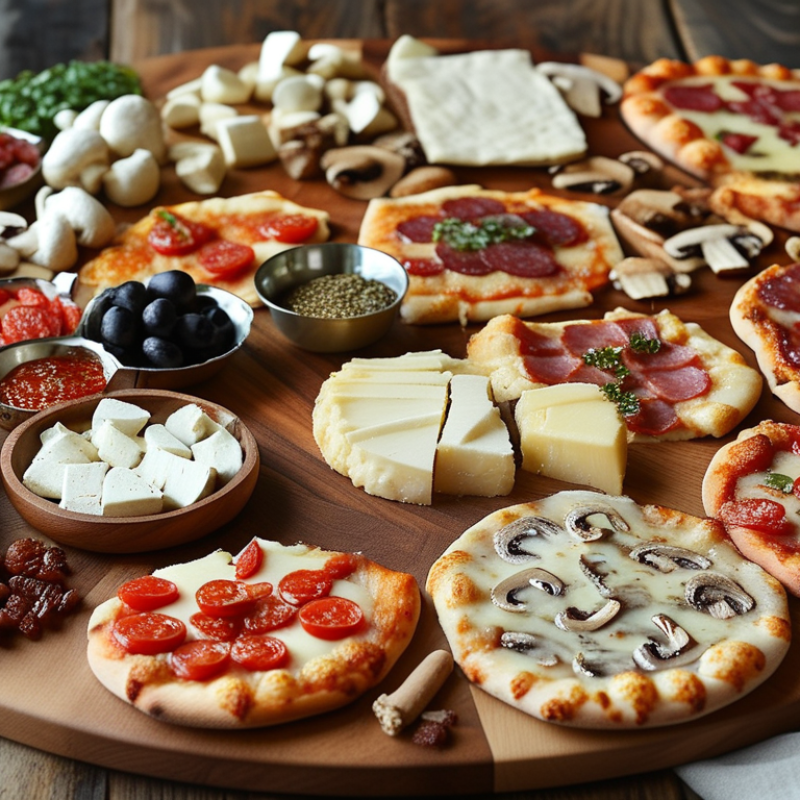
When you're picking out the best wood for your pizza boards, you’ll find there are quite a few options to choose from. Each type of Pizza Boards Wood kind of has its own perks. Your choice really impacts how your pizza turns out, so it’s worth thinking about.
Hardwoods like maple and oak tend to be favorites—they’re tough and don’t warp easily. On the flip side, softer woods might not be the best pick since they can soak up moisture more easily. And don’t forget about the grain—finer grains usually give you a smoother surface to work with.
Think about how you usually cook and what your preferences are. Not every wood is perfect for every oven, and some retain heat better than others, which can change your cooking times. Playing around with different types of Pizza Boards Wood can actually lead to some tasty discoveries. So, don’t be afraid to experiment a bit—find the one that works best for your recipes and makes pizza night even better.
Types of Wood Commonly Used for Pizza Boards
When selecting wood for pizza boards, various types offer unique benefits. Birch is a popular choice for its non-porous nature. It resists moisture, reducing the risk of bacteria. This is crucial for food safety. Many chefs appreciate its durability and ease of cleaning.
Another excellent option is maple. It has a fine grain, which is less likely to harbor odors or stains. Maple boards age beautifully and can withstand repeated use. However, they may require more maintenance than birch. Sanding and oiling are necessary to keep it in top shape.
Pine, while not as common, adds a rustic charm. Its distinct knots and grains provide character. However, it is softer and can absorb flavors easily. This could impact the taste of future pizzas. The choice of wood reflects personal preference and cooking habits. It’s important to consider not only aesthetics but also functionality.
Characteristics of Ideal Wood for Pizza Boards
When selecting wood for pizza boards, several characteristics stand out as essential. Hardwoods like maple, cherry, and birch are preferred due to their density and durability. A study by the North American Wood Council indicates that these woods resist knife marks better than softer varieties. This minimizes bacteria buildup and ensures food safety, which is crucial for such a frequently used kitchen item.
Moreover, the moisture content in the wood plays a vital role. Ideal Wooden Pizza Boards should have a moisture content of around 6-8%. This range helps with heat retention, affecting how evenly the pizza cooks. Woods that are too moist can warp or crack, compromising the board's integrity. On the other hand, overly dry wood can become brittle and split during use.
In a practical sense, each type of wood brings unique flavors. For instance, cherry wood adds a subtle sweetness that can enhance the pizza's aroma. However, not all woods are suitable. Some may impart unwanted tastes or even release toxins when heated. It's essential to choose wisely and consider each wood’s properties.
Comparison of Hardwoods vs. Softwoods for Pizza Boards
When choosing wood for pizza boards, the type of wood matters significantly. Hardwoods, such as maple and oak, are popular choices. They are dense and durable, making them resistant to wear. Hardwoods also have a fine grain, which helps in creating a smoother surface for your pizza. This smoothness can enhance food presentation and make cleanup easier.
On the other hand, softwoods like pine can be more affordable and lighter. However, they tend to absorb moisture more readily, which can affect your pizza's quality. Softwoods also may not provide the same level of durability as hardwoods. The resin content in some softwoods might interfere with the flavor of your pizza, leaving an undesirable taste.
Both options have their merits and drawbacks. Hardwood boards are an investment, lasting longer over time. Yet, if budget constraints are a concern, softwoods can still serve a purpose. Consider how often you use your board. If it’s a daily tool, a hardwood might be worth the price. For occasional use, softwoods could suffice, but they may require more frequent replacement.
Best Finishes and Treatments for Wood Pizza Boards
When selecting wood for pizza boards, choosing the right finish is crucial. Food-safe mineral oil is often recommended as it prevents absorption of moisture. A study published in the Journal of Food Science highlighted that untreated wood can harbor bacteria. Proper maintenance involves regular applications, keeping your Pizza Cutting Board hygienic and odor-free.
Another popular finish is beeswax, which adds a natural barrier against moisture. Research from the Woodworking Institute indicates that a wax finish can enhance the board's lifespan. It's essential to reapply wax regularly, especially after washing. Many enthusiasts find that combining oils with beeswax provides the best results, ensuring the board remains in top shape.
Some wood types, like maple and bamboo, can handle harsh cleaning methods. However, softer woods, such as pine, may warp over time. Understanding the properties of different woods can guide your choice for a durable Pizza Cutting Board. Regular care and the right finish can make even less ideal woods perform adequately.
Maintenance Tips for Wooden Pizza Boards
Caring for wooden pizza boards is crucial for their longevity. Regular maintenance can enhance their lifespan significantly. A study by the American Institute of Wood Science highlights that well-maintained wooden surfaces can last over 15 years. This contrasts with poorly maintained boards, which may wear out in just a couple of years.
To maintain a wooden pizza board, start with regular cleaning. Avoid soaking the board in water. Instead, wipe it with a damp cloth and mild soap. Let it air dry completely. The moisture can cause warping. Experts recommend treating the board with mineral oil every few months. This prevents cracking and keeps the wood hydrated.
Inspect the board for signs of damage. Small scratches can harbor bacteria if left untreated. Sand down rough areas carefully with fine-grit paper. This not only maintains hygiene but also keeps the board looking good. Some may overlook these details, thinking small imperfections are harmless. However, neglecting them might lead to bigger issues over time. Simple steps in maintenance can make a significant impact.
Environmental Considerations in Wood Selection
When selecting wood for pizza boards, environmental considerations are crucial. Most people know that some woods are more sustainable than others. Hardwood trees, like maple and cherry, take decades to mature. Meanwhile, softwoods, such as pine, can grow quickly but may not have the same durability.
The Forest Stewardship Council (FSC) reports that sustainably sourced wood improves environmental health. Using responsibly harvested wood reduces deforestation. Additionally, it supports local economies. A Pizza Chopping Board made from sustainable materials can ensure the health of forest ecosystems.
Another factor is the finish of the wood. Many finishes contain chemicals that can harm the environment. Opting for natural oils or waxes is a better choice. They protect the wood while minimizing environmental impact. Reflecting on these aspects can enhance the quality and longevity of your pizza chopping board, making it a more responsible choice.
Wood Types for Pizza Boards
Cultural Preferences and Regional Variations in Pizza Board Wood
Regional variations play a significant role in the wood choice for pizza boards. In Italy, traditional boards are often made from beech or maple. These woods are dense and durable, ideal for heavy use. A study by the Journal of Food Quality suggests that these materials can enhance food flavor and aroma, adding to the pizza experience.
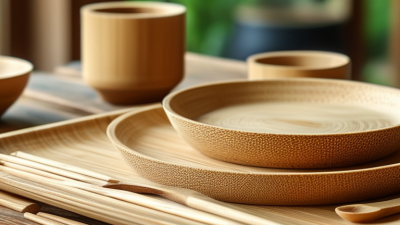
In the United States, preferences shift towards more sustainable choices. Bamboo has gained popularity due to its ecological benefits. The National Wood Products Association notes bamboo’s rapid growth and renewability, allowing chefs to prioritize sustainability. However, bamboo’s porous nature may raise hygiene concerns, requiring careful cleaning practices for optimal use with Pizza Board And Cutter.
Further east, Asian cultures may prefer softer woods like rubber or pine. These woods are light and easy to handle. Despite their practicality, they could wear down quicker than harder options. Kitchen experts suggest balancing aesthetics and durability when choosing wood. Understanding regional preferences shapes the tools we use and reflects our culinary practices.
Enhance Your Culinary Experience with Teak Wood Cooking Utensil Set: The Ultimate Kitchen Collection for Every Home Chef
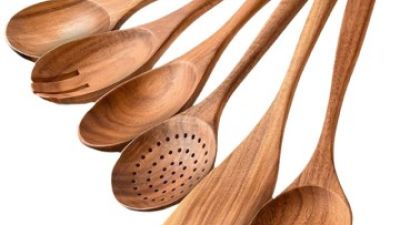
Elevate your culinary journey with our exquisite teak wood cooking utensil set, designed to transform the kitchen experience for every home chef. Rooted in the essence of nature, this collection is meticulously crafted from natural wood, ensuring that each piece is a unique blend of distinct grain and texture. The warmth and authenticity of the teak not only enhance the aesthetic of your kitchen but also align perfectly with the growing demand for sustainable and environmentally friendly cooking tools.
Every utensil in this collection embodies practicality and organic living, making it an ideal choice for those who appreciate functionality wrapped in natural beauty. The eco-conscious design promotes a healthy cooking lifestyle by avoiding synthetic materials, while its sturdy structure guarantees lasting performance in the kitchen. Cooking with these wooden tools not only helps you create delectable dishes but also invites a sense of tranquility and connection with nature, making the act of cooking a more enjoyable and fulfilling experience.
FAQS
: Hardwoods like birch, maple, and cherry are excellent choices due to their durability.
Ideal moisture content of 6-8% helps with heat retention and prevents warping.
Yes, pine adds character but can absorb flavors, affecting future pizzas.
Food-safe mineral oil is recommended to prevent moisture absorption.
Regular applications of oil and wax are necessary to keep the board hygienic.
Not all woods are safe; some may release toxins or impart unwanted flavors.
Birch is non-porous, reducing moisture risks and ensuring food safety.
Overly dry wood can become brittle and split during use, making it less effective.
Combine mineral oil with beeswax for a protective barrier against moisture.
Pine may warp over time due to its softness, affecting its usability.
Conclusion
When selecting pizza boards wood, several factors come into play. Various types of wood, such as hardwoods and softwoods, differ in durability, moisture resistance, and thermal properties, which can significantly affect the pizza-making experience. Ideal wood for pizza boards should be dense and non-porous to prevent warping and absorbing odors. Hardwoods like maple and oak are often preferred for their strength, while some softwoods may also be suitable depending on treatments and finishes applied.
Finishing techniques are essential to enhance the longevity of pizza boards wood, involving food-safe oils and sealants that protect against bacteria and moisture. Regular maintenance, such as cleaning and oiling, is crucial to preserve the board’s integrity. Additionally, environmental considerations and cultural preferences play a role in wood selection, as different regions may favor specific types of wood based on availability and traditional practices. Ultimately, choosing the right pizza boards wood involves balancing functionality, aesthetics, and sustainability.