The kitchen is really where practical stuff and style come together, right? And among the must-have tools, that Round Wood Chopping Board definitely catches your eye—not just because it’s handy, but because it looks good too. I read somewhere that, according to a report from Global Market Insights, the wooden kitchenware market is expected to hit over $10 billion by 2027. Crazy, huh? That just goes to show how important it is to pick quality materials and good craftsmanship when you're choosing your kitchen gear.
Picking the right round wooden chopping board isn’t just about looks—it’s about understanding a few key things. For example, different woods like maple or bamboo can really make a difference in durability and how well they perform. People in the industry often say that a good chopping board isn’t just a pretty accessory; it actually helps keep your food hygienic and makes prep work a whole lot easier. But, here’s the thing—a lot of folks tend to overlook the maintenance of wooden boards, and that can lead to bacteria build-up or the board wearing out sooner than you'd like.
And, with more and more folks really caring about sustainability these days, there's a clear trend toward choosing eco-friendly materials. Oh, and it’s super important to check out how manufacturers actually produce these boards—authenticity and responsible practices matter. At the end of the day, a round wood chopping board isn’t just a kitchen gadget; it’s a statement about quality and caring for the environment. Picking one isn’t just about grabbing whatever’s available—it’s about paying attention, do your research, and making an informed choice.
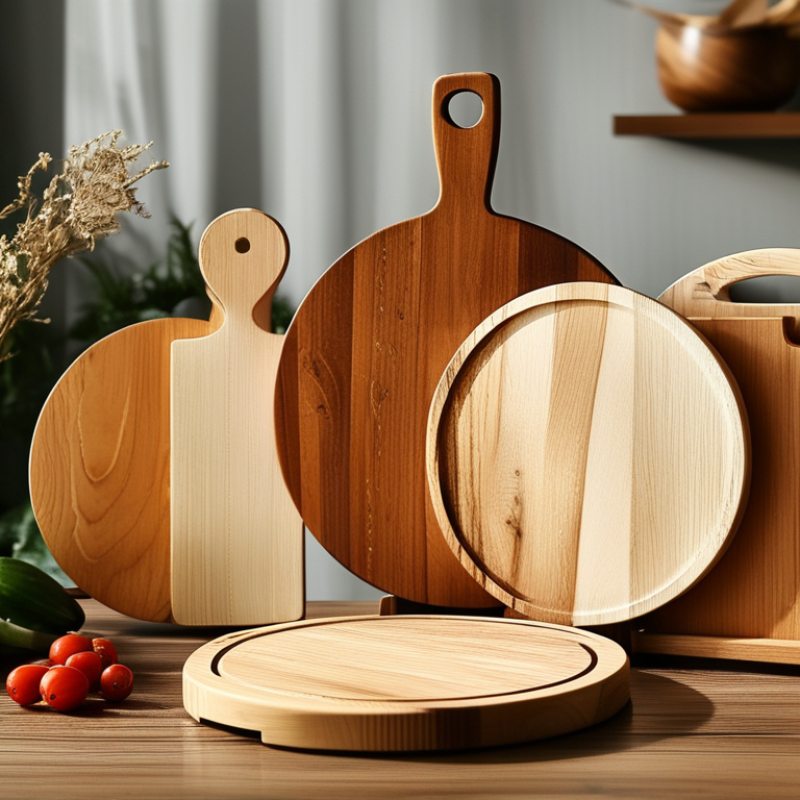
Understanding the Importance of Quality in Round Wood Chopping Boards
When considering the purchase of a round wood chopping board, quality is paramount. A high-quality board not only enhances your cooking experience but also affects food safety. Wood is a naturally antibacterial material, making it a preferable choice compared to plastic. However, not all wooden boards are created equal. Consider the type of wood used, as hardwoods like maple and walnut are more durable. They resist knife marks and stay in good condition longer than softer woods.
Selecting the right size is also crucial. A larger board allows for spacious chopping, making meal prep more efficient. However, it needs to fit well in your kitchen space. Pay attention to the thickness; a thicker board provides stability. Too thin may lead to warping or splitting over time.
Care is essential for wooden boards. Regularly oil your board to keep it hydrated and prevent cracking. Avoid soaking it in water for prolonged periods. This can lead to warping and bacterial growth. Remember, the right choices today lead to better meal preparations tomorrow. Quality counts when it comes to your kitchen essentials.
Types of Wood Used in Round Chopping Boards and Their Benefits
When choosing a Round Chopping Board, the type of wood matters significantly. Different woods offer unique benefits.
Bamboo is lightweight and eco-friendly. It has natural antibacterial properties, making it a popular option.
Maple, on the other hand, is durable and resistant to knife marks. Its tight grain helps prevent bacteria from penetrating the surface.
Cherry wood is another excellent choice. It’s beautiful and ages well, developing a rich patina over time. However, it can be prone to scratches.
Consider the maintenance required for each type. A round chopping board requires oiling to maintain its appearance and prolong its life.
When purchasing, check the finish. Some boards come pre-treated, while others may need initial care. Evaluate your cooking habits. If you chop frequently, opt for a harder wood. This will withstand more wear.
Always clean your round chopping board properly. A quick rinse with soap and water is often enough. Avoid soaking it or putting it in the dishwasher, as this may warp the wood.
Key Features to Look for When Buying a Round Wood Chopping Board
When choosing a Round Wooden Chopping Board, consider the wood type. Hardwoods like maple and walnut are durable. They resist knife marks better than softwoods. This can extend the life of your board. Softwoods may dent easily. Regular maintenance is essential for longevity.
Pay attention to the size and thickness. A thicker board provides stability. It feels sturdy during use. However, a lighter board is easier to handle. Consider your kitchen space. If storage is tight, a smaller diameter may work best. The finishing touches matter too. Look for boards treated with food-safe oils. A well-finished Round Wooden Chopping Board is less susceptible to water damage.
Grain patterns can also influence your choice. A beautiful grain adds charm to your kitchen. However, intricate designs may hide knife marks. Ideally, find a balance between aesthetics and functionality. In the end, reflection on your needs is crucial. Would you use your chopping board daily or just on special occasions? Evaluate what features truly matter to you.
Eco-Friendly Options: Sustainable Wood Sources for Chopping Boards
When choosing a wood chopping board, sustainability is key. Many shoppers now seek eco-friendly options. These options help reduce environmental impact. Sustainable wood comes from responsibly managed forests. This ensures that trees are replanted and habitats are preserved. You can find boards made from bamboo, maple, or walnut. Each of these wood types offers durability and a unique aesthetic.
Consider the sourcing of the wood. Look for certifications like FSC or PEFC. These markings guarantee that the wood is sourced from ethical forests. Not all woods have the same impact. For example, bamboo grows quickly and replenishes faster than hardwoods. However, ensure the bamboo is sustainably farmed. This helps address overharvesting concerns.
Think about the lifecycle of your chopping board. A well-maintained board can last for years. Proper care includes regular oiling and cleaning. This prolongs its life and maintains its appearance. Reflect on the materials and their origins before making a purchase. It helps you contribute to a healthier planet. Your choice can promote sustainable practices in the woodworking industry.
Maintaining and Caring for Your Round Wood Chopping Board
Caring for your round wood chopping board is essential for maintaining its aesthetic and functional qualities. Regular cleaning is crucial. After each use, gently wash the board with warm, soapy water. Avoid soaking it, as prolonged exposure to water can warp the wood. For stubborn stains or odors, a mixture of baking soda and water works wonders. Just scrub gently and rinse thoroughly.
Drying your board is equally important. After washing, use a soft cloth to pat it dry. Never leave it in damp areas, as this can lead to mold. Regularly oiling your board protects the wood from drying out and cracking. Food-safe mineral oil is an excellent option and should be applied every few months. A well-maintained board not only looks great but also enhances the flavors of your ingredients.
Over time, your chopping board may develop knife marks or scratches. While some might view these as imperfections, they tell a story of use and care. Embrace these signs, but also reflect on their maintenance. Keeping a clean and well-cared-for surface contributes to food safety and the longevity of your board. Remember, each board is unique, just like the beautiful Round Wood Dinner Plates Wood Dinnerware Acacia, and deserves special attention.
Comparative Analysis: Round Wood vs. Other Chopping Board Materials
Choosing the right chopping board material can greatly influence your cooking experience. Round wood chopping boards are known for their durability and aesthetic appeal. Wood naturally possesses antibacterial properties, making it a safer choice than plastic alternatives. However, these boards can absorb odors and stains, requiring more care.
When comparing wood to plastic or bamboo boards, wood provides a unique cutting surface. It’s gentler on knife blades, helping them stay sharp longer. Plastic boards, while easy to clean, can develop deep grooves over time, harboring bacteria. Conversely, bamboo boards are eco-friendly but may not offer the same longevity as wood.
Many chefs prefer wood for its warmth and texture. Still, it's essential to be mindful of maintenance. Regular oiling and proper drying can extend the board's life. Choosing a chopping board isn't solely about looks. Reflection on usage habits and care can lead to better choices for kitchen tools.
Popular Brands and Models of Round Wood Chopping Boards in 2026
When exploring options for a round wood chopping board, consider various factors that enhance usability. The wood type plays a significant role. Hardwoods like maple and walnut offer durability and aesthetics. Each choice impacts your kitchen's overall style. A round wood chopping board can seamlessly fit into smaller spaces. Their design simplifies storage and handling, making them ideal for any cook.
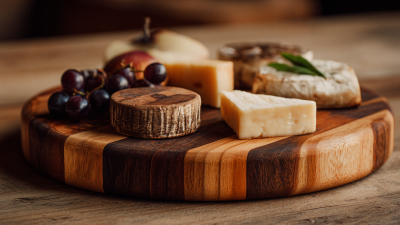
Popular models often showcase unique grain patterns that add to their appeal. Shoppers value boards that are easy to maintain. A well-finished surface provides a smooth experience while chopping. However, some boards may require additional care, such as regular oiling. This can be a drawback for busy cooks who prefer low-maintenance options.
Many brands emphasize sustainability in their products. Sourcing wood responsibly has become a priority for conscious consumers. However, not all brands meet these standards consistently. It’s essential to research and ensure that your round wood chopping board comes from a trustworthy supplier. This attention to detail can significantly impact both the environment and the quality of your kitchen tools.
Enhancing Hair Health: The Impact of Wood Air Cushion Combs on Static Reduction and Scalp Comfort in Professional Hairdressing
In the professional hairdressing industry, the choice of tools can significantly influence both hair health and client comfort. Recent studies have shown that certain comb designs, notably those featuring air cushion technology, can reduce static electricity while promoting a soothing scalp experience. With approximately 80% of women reporting issues with static hair, the integration of these innovative combs into everyday hair care regimens can be quite beneficial.
The use of natural materials, such as bamboo wood, in comb construction adds to the appeal by providing ergonomic benefits. The handle designed to fit the natural shape of the hand not only enhances grip but also ensures comfort during use. This is particularly important in a professional setting where hairdressers often work for extended periods. According to industry insights, tools that prioritize user experience can lead to increased customer satisfaction and retention.
Moreover, the elastic air cushion paired with fine comb teeth allows for smooth hair detangling without causing breakage or knots, which is crucial for maintaining hair health. This gentle massaging action on the scalp can stimulate blood circulation, enhancing the overall vitality of the hair follicles. Such features address common pain points associated with traditional combs and present an effective solution for daily hair care practices in salons and at home.
FAQS
: Hardwoods like maple and walnut are preferred for their durability. They resist knife marks better than softwoods.
A thicker board offers more stability. It feels sturdier during use, while a lighter board is easier to handle.
Regular oiling and cleaning are essential. Proper care helps prolong the board's life and maintain its appearance.
Yes, many options are available. Look for boards made from sustainably sourced wood, like bamboo or maple.
Beautiful grain patterns add charm but may hide knife marks. Balance aesthetics with functionality when choosing a design.
Wood is gentler on knives and has antibacterial properties. Plastic is easy to clean but can harbor bacteria in grooves.
Yes, consider your kitchen space. A smaller diameter may be best if storage is tight. Size impacts usability.
Look for certifications like FSC or PEFC. These ensure the wood comes from responsible, ethical sources.
Yes, but reflect on your habits. If you use it daily, proper care is crucial for longevity.
Understanding your usage helps identify essential features. This leads to smarter choices for kitchen tools.
Conclusion
The "2026 Top Round Wood Chopping Board Buying Guide for Global Shoppers" emphasizes the significance of selecting high-quality Round Wood Chopping Boards for a superior culinary experience. It begins by exploring the various types of wood commonly used, highlighting their unique benefits such as durability, aesthetics, and knife-friendliness. Buyers are guided on essential features to consider, including thickness, finish, and design, to ensure they make an informed choice.
Additionally, the guide discusses eco-friendly options, focusing on sustainable wood sources that not only offer performance but also environmental consciousness. Maintenance tips are provided to help users care for their Round Wood Chopping Boards, ensuring longevity. A comparative analysis with other chopping board materials showcases the unique advantages of wood, while also curating a selection of popular models available in 2026. This comprehensive guide equips global shoppers with all the essential information needed to select the perfect Round Wood Chopping Board.