Leave Your Message
Picking out the right Mahjong Table Mat in 2026 isn’t just some minor shopping detail anymore. For people all around the world, it actually makes a big difference—things like how comfy you feel playing, protecting your table, reducing noise, and even how long the mat lasts. A good mat should stay flat, resist curling up on the edges, and let tiles slide smoothly across. It also needs to fit standard table sizes without blocking the playing area or messing up the game setup.
Daniel Chen, who’s a Mahjong gear expert over at Eastbridge Game Furnishings, puts it simply: “A solid mat should feel steady—almost before you even see what it’s made of.” That’s based on real hands-on testing. Sadly, a lot of online listings just look at the color or the price, which can be kinda misleading. For example, a super bright surface might hide stains easily, but it’ll show every mark. Soft backing could slide around on shiny wood, and a thick edge might get in the way of your tile racks.
This guide is here to help you compare the top Mahjong Table Mat options for 2026, tailored for whichever market you’re buying in. We look at what materials they’re made of, how the surface feels, how good the grip is from the backing, whether they fold easily, how easy they are to clean, how they’re packaged, and how they hold up day to day. We also keep in mind regional shipping quirks—because a carefully chosen mat isn’t worth much if it arrives crumpled or damaged. Some claims about these mats still need a closer look, too. Just because it says “premium” doesn’t always mean it’s better. Sometimes, a cheaper mat works just fine for casual play at home, but if you’re hosting tournaments, you’ll probably need something stronger and more durable. Ultimately, the best choice depends on your table size, how often you play, your storage space, and what you’re expecting from the mat. And those tiny details, like a few millimeters, can totally change how a game feels when the table’s packed with tiles.
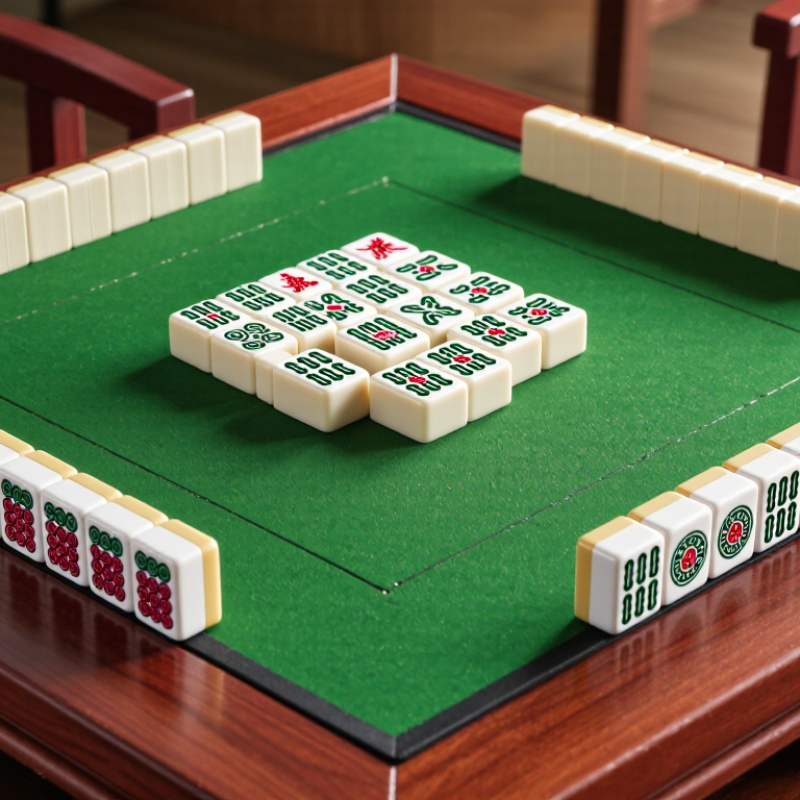
For 2026 buyers, Mahjong Mat selection should begin with table conditions, not appearance. Roll-up mats suit frequent travel and small storage spaces. Foldable mats offer faster setup, but their seams may affect tile movement. Foam-backed mats absorb noise well. Felt surfaces provide controlled sliding, while waterproof coatings help in humid markets.
Grand View Research estimated the global board games market at about USD 13.7 billion in 2023, with continued growth expected through 2030. This expansion supports demand for portable, durable accessories. However, a market forecast does not guarantee product quality. Buyers should inspect backing density, edge stitching, surface recovery, and carton protection. A mat that curls after shipping can ruin the first playing session.
Material safety also requires documented testing. The EU REACH framework requires communication when certain substances exceed 0.1% in articles. OEKO-TEX Standard 100 testing can provide additional evidence for textile components. For international orders, request test reports, material declarations, and clear cleaning instructions. A 3–5 millimetre base often balances cushioning and portability, but table size remains decisive. Measure twice. I still find some “non-slip” claims too vague without friction data. Temperature, dust, and repeated folding can change performance, so buyers should test samples before placing larger orders.
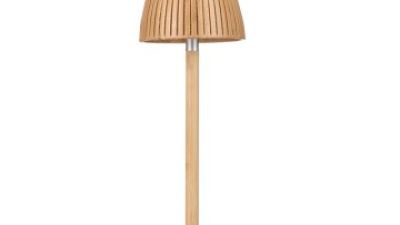
A tall bamboo table lamp can transform a quiet corner into a warmer, more inviting part of the home. Its vertical silhouette adds visual height beside a sofa, bed, console, or reading chair, while the woven or smooth bamboo surface softens the light and creates subtle shadows. This combination of natural texture and modern simplicity supports a relaxed atmosphere without overwhelming the room. The Global Wellness Institute’s 2023 report valued the global wellness economy at approximately $5.6 trillion in 2022, reflecting growing interest in home environments that promote comfort, calm, and everyday well-being. A bamboo lamp responds to this preference by bringing an organic element indoors and encouraging a closer connection with nature.
Bamboo is also a renewable material that offers a distinctive alternative to heavily processed decorative finishes. Its natural grain, warm color, and rustic character can complement minimalist, Scandinavian, coastal, or contemporary interiors. When paired with a warm LED bulb, the lamp can provide gentle ambient illumination for evening relaxation while supporting more efficient lighting choices. The International Energy Agency’s *Energy Efficiency 2023* report notes that lighting represents about 15% of global electricity consumption, making efficient bulbs an important consideration in residential design. With its clean shape, tactile surface, and softly filtered glow, a tall bamboo table lamp brings together environmental awareness, practical lighting, and a welcoming sense of atmosphere.
Most tables need an 80–90 cm mat. Measure the usable tabletop, not the outer frame. Measure twice. An 80 cm mat suits an 80 cm surface closely. A 90 cm mat works better on broader tables. Leave two to five centimeters around raised borders. I would not trust the listed size alone.
Usually, yes, but a slightly smaller mat may lie flatter. It can also reduce edge protection. Check both length and width. The mat should not curl against legs or fold near the playing area. A close fit can shift during play. That detail is easy to miss.
PVC feels smooth and supports consistent tile movement. Softer PVC may show scuffing after heavy use. Rubber offers stronger grip and impact absorption. It may feel slower in humid rooms. EVA is light and cushioned. Lower-density EVA can dent beneath table legs. No material wins every round.
Request detailed ASTM D4060 results, not only a pass claim. Ask for wheel type, load, cycles, and thickness loss. Compare samples with similar thicknesses. Laboratory numbers can mislead when testing conditions differ. Test real tiles on the surface. Check scuffing, edge bonding, and cleaning response.
No. Grip changes with glass, lacquered wood, laminate, dust, and moisture. A non-slip underside can reduce shifting, but it cannot guarantee perfect stability. Push several tiles across the mat. Watch the corners. A repeat test may reveal uneven grip.
ASTM D1894 measures static and kinetic friction through a controlled sled test. It can support material comparisons. The method was developed for plastic film and sheeting. It is not a complete table-safety certification. Ask about test direction, contact material, temperature, and conditioning. There is no universal pass-or-fail value.
Yes, especially if drinks may be placed near the table. Dry and wet results should be reported separately. A dusty or damp surface may behave differently from a clean sample. Small movements matter. I would want repeated tests, not one impressive number.
Store the mat flat when possible. Check whether it curls after being rolled or folded. Inspect odor, surface texture, stitching, and edge bonding after storage. Temperature can affect flexibility. A sample test helps. I still might change my choice after seeing real use.
Choosing the right Mahjong Table Mat in 2026 requires balancing size, material, safety, comfort, and international compliance. For standard Mahjong tables, mats measuring 80–90 cm generally provide practical coverage while fitting common playing areas. PVC, rubber, and EVA each offer different advantages in durability, flexibility, cushioning, and maintenance. Wear performance can be compared through ASTM D4060 testing, helping buyers assess how well a mat may withstand repeated use. Surface grip is also important, and ASTM D1894 procedures can support evaluations of slip resistance under controlled conditions.
Thickness options from 3–10 mm allow buyers to select between portability and enhanced comfort or noise reduction. Thinner mats are convenient for storage and travel, while thicker designs may better absorb tile impact and protect table surfaces. Global buyers should also review material and product documentation for REACH, RoHS, and CPSIA requirements, along with clear specifications for dimensions, composition, cleaning, and safe use.